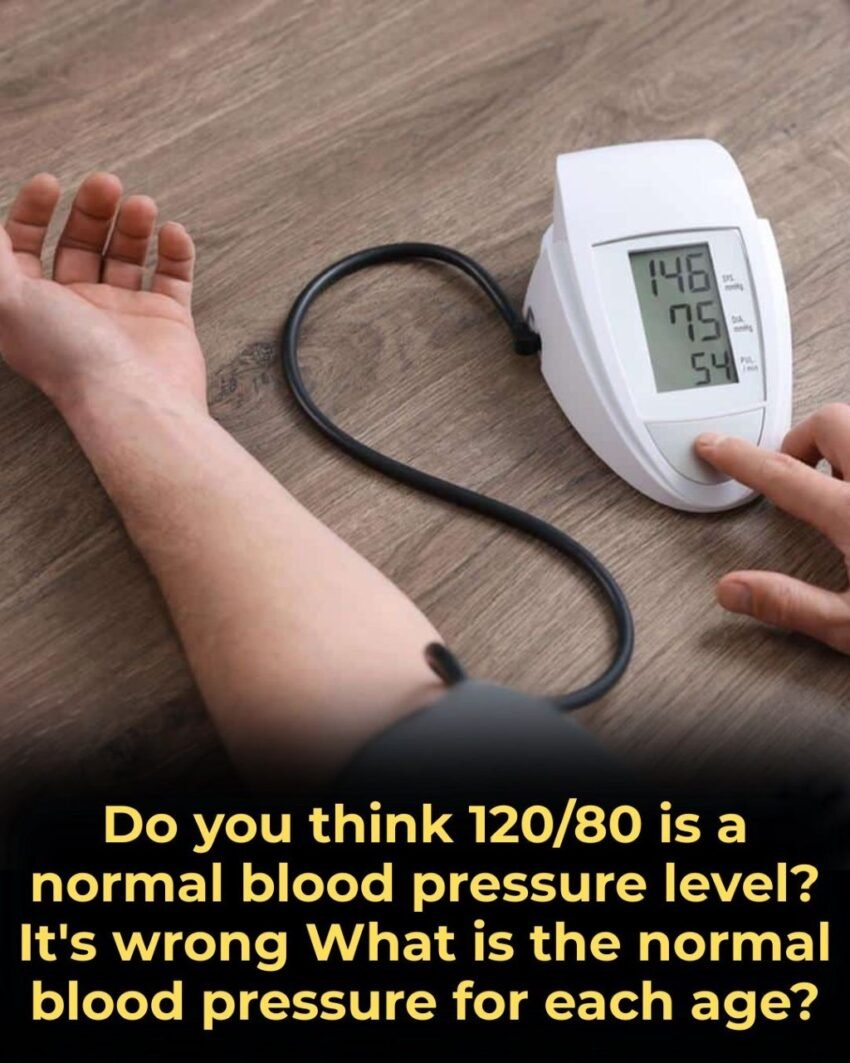
There is a common misconception that “normal” blood pressure increases with age. This is not true. The medical definition of a healthy blood pressure range is consistent for all adults, regardless of age.
The widely accepted guidelines are based on those from the American Heart Association (AHA), American College of Cardiology (ACC), and other major global health bodies.
The Universal Standard for Adults (Age 18+)
For nearly all adults, the target is the same. The classic “120/80” is a good benchmark, but here is the full breakdown:
| Category | Systolic (Top Number) | Diastolic (Bottom Number) | |
|---|---|---|---|
| Normal | Less than 120 mm Hg | and | Less than 80 mm Hg |
| Elevated | 120 – 129 mm Hg | and | Less than 80 mm Hg |
| Hypertension Stage 1 | 130 – 139 mm Hg | or | 80 – 89 mm Hg |
| Hypertension Stage 2 | 140 mm Hg or higher | or | 90 mm Hg or higher |
| Hypertensive Crisis | Higher than 180 mm Hg | and/or | Higher than 120 mm Hg |
Key Takeaway: The goal for healthy adults of any age is to maintain a blood pressure below 120/80.
Important Nuances and Considerations by Age
While the target doesn’t change, how we interpret and manage blood pressure can be influenced by age-related factors:
1. For Children and Adolescents (Ages 1-17):
Blood pressure does vary with age, height, and sex in children. Pediatricians use specific percentile charts (similar to growth charts). There is no single “normal” number for all children. Elevated blood pressure in kids is a serious concern and requires medical evaluation.
2. For Older Adults (Typically 65+):
-
The Target is Still < 120/80. However, treatment plans may be individualized.
-
Isolated Systolic Hypertension: This is very common in older adults. It’s when the top number (systolic) is high (e.g., 150/78). This is still hypertension and requires management, as it significantly increases stroke and heart attack risk.
-
Treatment Goals: For healthy older adults, the treatment goal is often still below 130/80. For frail older adults or those with multiple medical conditions, a doctor may set a slightly higher target (e.g., < 140/90) to avoid side effects from medication like dizziness and falls. This is a medical decision, not a change in the definition of “normal.”
3. Key Factors That Affect Blood Pressure More Than Age:
-
Activity Level: Reading should be taken while seated and rested.
-
Stress & Anxiety: “White coat hypertension” (high readings at the doctor’s office) is common.
-
Diet: High sodium intake is a major contributor.
-
Weight
-
Genetics and Family History
-
Underlying Health Conditions (e.g., kidney disease, diabetes)
What You Should Do
-
Know Your Numbers: Have your blood pressure checked regularly, even if you feel fine.
-
Use the Universal Standard: Aim for a reading under 120/80.
-
Don’t Accept “It’s Normal for Your Age”: If you are over 65 and your blood pressure is consistently 140/90, it is not “normal” or safe simply because you are older. It is stage 2 hypertension and requires a conversation with your doctor about lifestyle changes and possibly medication.
-
Focus on Lifestyle at Any Age: The best ways to maintain healthy blood pressure are ageless:
-
Eat a balanced, low-sodium diet (like the DASH diet).
-
Exercise regularly (at least 150 mins of moderate activity per week).
-
Maintain a healthy weight.
-
Limit alcohol.
-
Don’t smoke.
-
Manage stress.
-
-
Consult Your Doctor: Always work with a healthcare professional to interpret your readings and create a personalized management plan. They will consider your overall health, not just your age.
In summary: “Normal” blood pressure is not a sliding scale that goes up as you get older. It is a constant benchmark for health. Managing it effectively is one of the most important things you can do for your long-term heart and brain health.