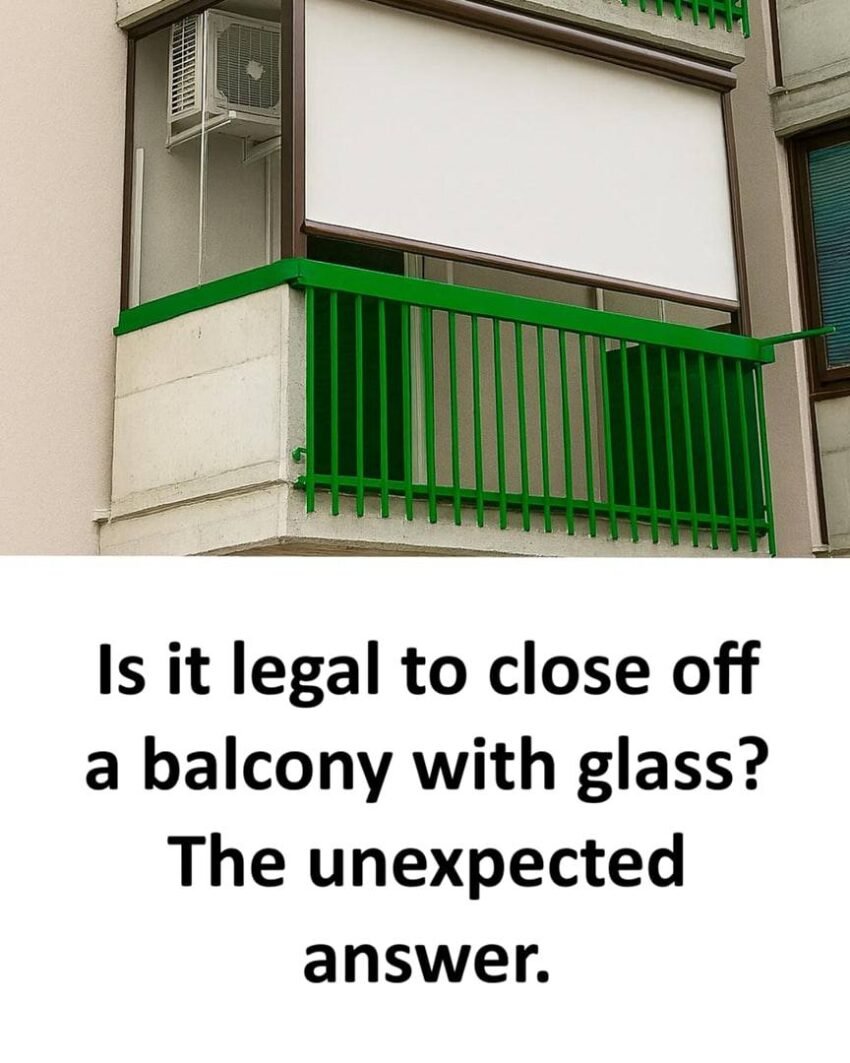
Enclosing a Balcony with Glass: A Complete Guide to Possibility and Legality
Enclosing a balcony with glass (often called a “veranda enclosure” or “glazed balcony”) is a popular renovation that adds valuable indoor living space. However, it’s a complex project governed by a web of rules. Here’s a clear breakdown of what you need to know.
When Is It Possible?
It is possible if you can successfully navigate three key areas:
-
Structural Feasibility: Your existing balcony and building must support the added weight of glass, framing, and potential snow load.
-
Legal & Regulatory Compliance: You must obtain all required permits and adhere to local laws.
-
Building Rules: If you live in a condo, co-op, or HOA community, you must get approval from the association.
What the Law Says: The Regulatory Framework
The legality revolves around three main authorities:
1. Local Building Codes & Permits (The Most Critical)
This is non-negotiable. Enclosing a balcony constitutes a structural alteration.
-
Permit Required: You will need a building permit. Applying without one can result in fines, forced removal, and problems when selling your home.
-
Code Compliance: The enclosure must meet codes for:
-
Wind Load: The glass and structure must withstand local wind speeds.
-
Snow Load: In relevant climates.
-
Safety Glass: All glazing must be tempered or laminated safety glass to prevent injury if broken.
-
Egress: It cannot block required fire escape routes from your own or neighboring units.
-
Ventilation: Some codes require a minimum percentage of openable windows for airflow.
-
2. Zoning Laws
Your municipal zoning office regulates property lines and “lot coverage.”
-
Encroachment: The enclosure cannot extend beyond your legal property line or into municipal airspace (a common issue on upper floors).
-
Setback Rules: It must comply with minimum distances from neighboring properties.
3. Condominium / Co-op / HOA Rules (The Biggest Hurdle for Many)
Even if the city approves, your building’s governing documents likely prohibit or strictly control exterior modifications.
-
Architectural Control: Most associations have an Architectural Review Committee (ARC) or board that must approve any change to the building’s exterior, including balcony enclosures.
-
Uniform Appearance: They often deny requests to maintain the building’s aesthetic uniformity.
-
Master Insurance: The alteration could affect the building’s insurance policy.
-
Process: Expect to submit detailed plans, obtain board approval (which can take months), and often use pre-approved contractors and materials.
The Step-by-Step Approval Process
-
Check Your Governing Documents: Review your condo/co-op/HOA bylaws, CC&Rs, and house rules first.
-
Consult the Board/Management: Have an informal discussion to gauge the likelihood of approval. Some buildings have a firm “no” policy.
-
Hire a Professional: Engage a licensed architect or structural engineer. They will:
-
Assess structural feasibility.
-
Create technical drawings that comply with codes.
-
Specify safety glass and proper framing.
-
-
Submit to Your Association: Apply formally to the ARC or board with your professional plans.
-
Apply for Municipal Permits: Once you have association approval, your professional can submit plans to the local building department for permits.
-
Hire a Licensed Contractor: Choose one with specific experience in glazed enclosures and all necessary insurance.
Key Considerations & Potential Pitfalls
-
Cost: High-quality, code-compliant enclosures are expensive. Budget for design, permits, materials, and labor.
-
Thermal Performance: Single-pane glass will cause condensation and heat loss. Insulated glass units (double or triple glazing) are highly recommended.
-
Maintenance: You are now responsible for cleaning and maintaining the exterior glass.
-
Impact on Neighbors: Consider privacy, reflected light (glare), and whether your enclosure overlooks or overshadows a neighbor’s space.
-
Devaluation of Property: An unpermitted enclosure is a major liability and can block a sale or refinance until it’s legalized or removed.
Final Checklist Before You Start
☐ Reviewed my HOA/Condo rules and understand the approval process.
☐ Consulted with a structural engineer to verify my balcony can support the load.
☐ Hired a professional to create code-compliant drawings.
☐ Received written approval from my building’s board/ARC.
☐ Obtained all required permits from the local building department.
☐ Chosen a licensed, insured contractor with relevant experience.
Bottom Line: Enclosing a balcony with glass can transform your space, but it is a legally complex construction project, not a simple DIY weekend task. The path to a successful, legal enclosure is: Association Approval → Professional Plans → City Permits → Licensed Construction. Skipping any step risks serious financial and legal consequences. Always start with a professional consultation and a review of your building’s rules.