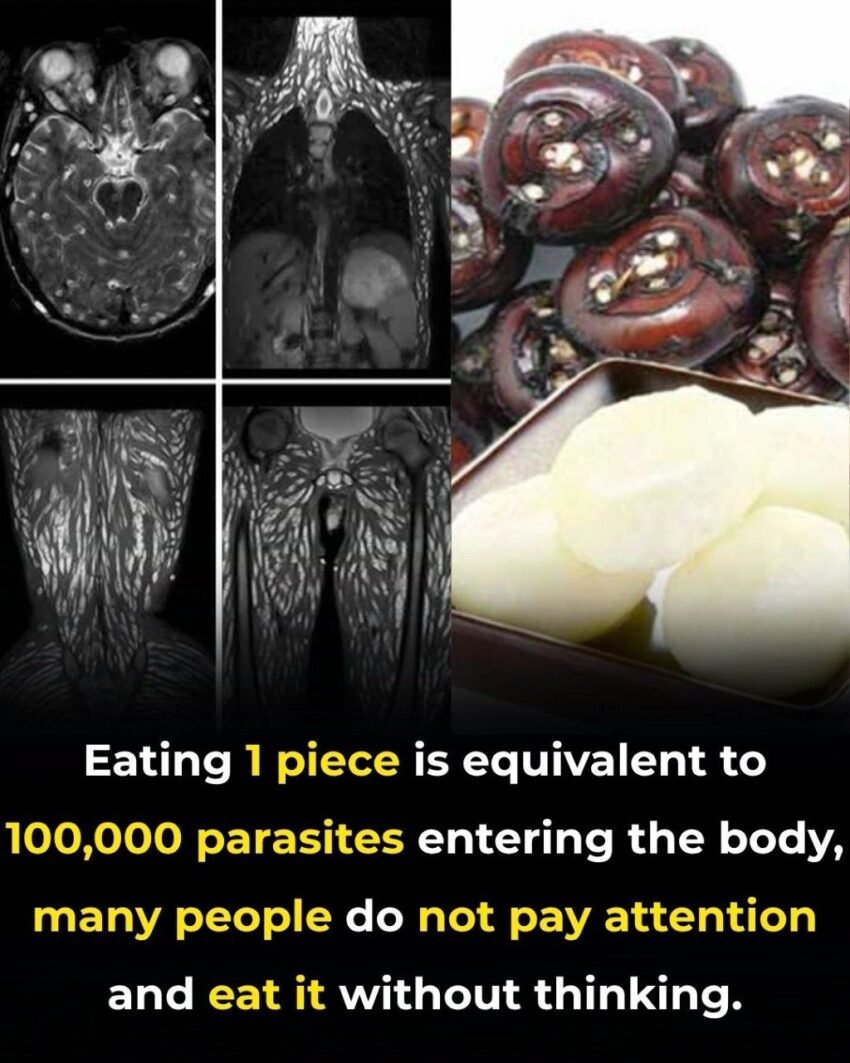
The statement “Eating just one bite is already harmful” underscores a key principle in food safety: for certain pathogens, including many parasites, the infective dose can be very low. A single bite of contaminated food can be enough to cause infection.
Here’s a breakdown of why this is so concerning and which common foods carry hidden risks.
Why “Just One Bite” Matters with Parasites
Unlike some chemical toxins that require a certain volume, many parasites are biological organisms. If that one bite contains a viable parasite cyst, larva, or egg, it can establish itself in the human body and begin its life cycle, potentially causing chronic, severe illness.
Common High-Risk Foods Many Eat Without Worry
-
Undercooked or Raw Fish & Seafood (Sushi, Sashimi, Ceviche)
-
Parasites: Anisakis, Diphyllobothrium (fish tapeworm), Flukes.
-
Risk: “Sushi-grade” is a marketing term, not a FDA guarantee. Freezing at specific temperatures (e.g., -20°C / -4°F for 7+ days) is required to kill parasites in fish meant for raw consumption. Not all establishments follow this.
-
-
Undercooked Pork (Chops, Sausages, Ground Meat)
-
Parasite: Trichinella spiralis (cause of Trichinosis).
-
Risk: Modern farming has reduced but not eliminated risk. Home cooks using taste or color to judge “doneness” is a major risk factor. A digital meat thermometer is essential.
-
-
Undercooked Beef (Especially Steak Tartare)
-
Parasite: Taenia saginata (beef tapeworm).
-
Risk: While less common in developed countries due to inspection, it persists where cattle have access to contaminated water or feed.
-
-
Raw Freshwater Crab or Crayfish
-
Parasite: Lung flukes (Paragonimus).
-
Risk: A traditional ingredient in certain regional dishes. Eating them raw or undercooked in “drunken crab” preparations is extremely high-risk.
-
-
Raw or Undercooked Meat from Game (Venison, Wild Boar)
-
Parasites: Higher risk of Trichinella, Toxoplasma, and others.
-
Risk: Wild game is not subject to commercial inspection. Proper freezing and thorough cooking are non-negotiable.
-
-
Unwashed Raw Vegetables or Contaminated Water
-
Parasites: Cryptosporidium, Giardia, Ascaris (roundworm).
-
Risk: Vegetables fertilized with contaminated manure or irrigated with polluted water. “Pre-washed” doesn’t guarantee safety. Always wash thoroughly under running water.
-
The “Without Worry” Problem: A Perfect Storm
-
Lack of Symptoms: Many infections start with mild or no symptoms for weeks or months, delaying diagnosis until the parasite burden is high.
-
Chronic Health Impact: Parasites can cause long-term damage: anemia, nutritional deficiencies, organ cysts, bowel obstruction, and increased risk of other diseases.
-
Misdiagnosis: Symptoms like fatigue, abdominal pain, and diarrhea are often attributed to more common illnesses like IBS or the flu.
-
Cultural Culinary Traditions: Many high-risk foods are beloved delicacies, and the social/emotional connection can override perceived risk.
The Ultimate Protection: Food Safety Rules
-
Cook Thoroughly: Use a food thermometer.
-
Fish: 145°F (63°C) internal temperature.
-
Whole Cuts of Beef, Pork, Lamb, Veal: 145°F (63°C) with a 3-minute rest.
-
Ground Meats: 160°F (71°C).
-
Poultry: 165°F (74°C).
-
-
Freeze Properly: For fish intended for raw consumption, ensure it has been commercially frozen to parasite-killing standards. Home freezers are often not cold enough.
-
Wash Meticulously: Wash hands, surfaces, utensils, and raw fruits/vegetables.
-
Separate: Prevent cross-contamination. Keep raw meat/seafood away from ready-to-eat foods.
-
Source Wisely: Buy from reputable suppliers. Be especially cautious with wild game and foraged foods.
-
When in Doubt, Throw it Out: Do not taste-test questionable food.
Conclusion: The threat is real but manageable through knowledge and rigorous food safety practices. Enjoying diverse foods doesn’t require fear, but it does demand respect for the invisible risks. The most dangerous bite is the one you take thinking, “It won’t happen to me.”