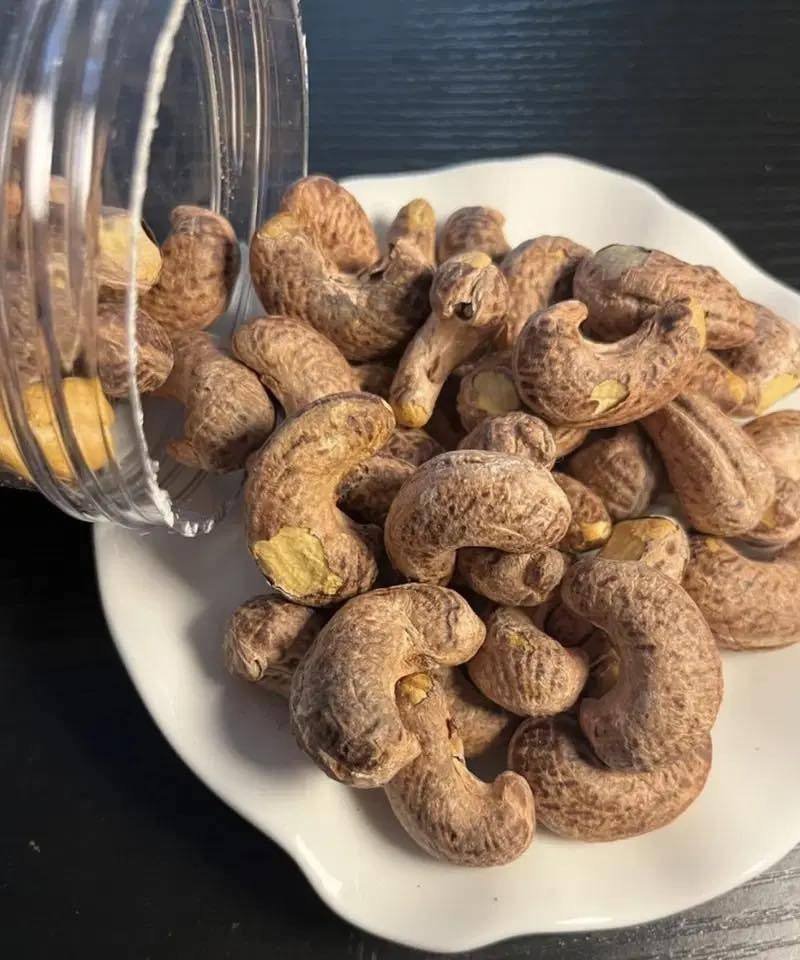
To provide accurate information, I’ve outlined the potential benefits, genuine risks, and the common false claims you might see in such headlines.
✅ Proven Health Benefits of Cashews
Cashews are a nutritious food when consumed in moderation as part of a balanced diet:
-
Heart Health: They are rich in unsaturated (“good”) fats, which can help lower bad cholesterol (LDL) and raise good cholesterol (HDL).
-
Mineral Powerhouse: An excellent source of copper (essential for energy production and brain health) and a good source of magnesium (important for bone health and muscle function).
-
Blood Sugar Control: Their healthy fat, protein, and fiber content can help slow the absorption of sugar into the bloodstream.
⚠️ Genuine Risks & Who Should Be Cautious
The concerns doctors have are typically related to overconsumption or specific health conditions:
-
High in Calories: Like all nuts, cashews are calorie-dense. Eating large portions frequently can contribute to weight gain.
-
Sodium Content (Flavored Varieties): Roasted, salted, or honey-glazed cashews can be very high in sodium, which is a concern for blood pressure.
-
Oxalate Content: Cashews contain oxalates. For individuals prone to kidney stones (specifically calcium-oxalate stones), excessive intake can be a risk factor.
-
Allergies: Tree nut allergies are common and can be severe. Cashews are a frequent allergen.
-
Raw Cashew Shells: It’s a little-known fact: Truly raw cashews are unsafe to eat because they contain urushiol, the same toxic oil found in poison ivy. The “raw” cashews sold in stores have been steamed to remove this toxin.
🚫 Common False or Misleading Claims
Headlines often sensationalize or misinterpret science. Here’s what the evidence says about some alarming claims:
-
“Cashews Cause Weight Gain”: This is only true if you consistently eat more calories than you burn. In fact, studies show nuts can aid weight management by promoting satiety.
-
“Cashews Are Bad for Your Heart”: The opposite is true. The fat profile supports heart health, though salted versions should be limited.
-
“Cashews Cause Inflammation”: They contain antioxidants like polyphenols and healthy fats that are generally considered anti-inflammatory.
📊 Bottom Line: How to Eat Cashews Safely
-
Portion Size: A standard serving is about 1 ounce (28 grams), which is roughly 18-20 whole cashews.
-
Choose Wisely: Opt for dry-roasted or raw, unsalted varieties most often.
-
Integrate: Enjoy them as a snack, in stir-fries, or as a topping for yogurt and salads.
When to Talk to a Doctor: If you have a known tree nut allergy, kidney stone history, or are on a sodium-restricted diet, it’s wise to discuss nut consumption with your physician or a registered dietitian.
In short, for the vast majority of people, cashews are a healthy food. The “danger” lies almost entirely in eating too many of the wrong kind (salted, candied) or having a specific pre-existing condition.