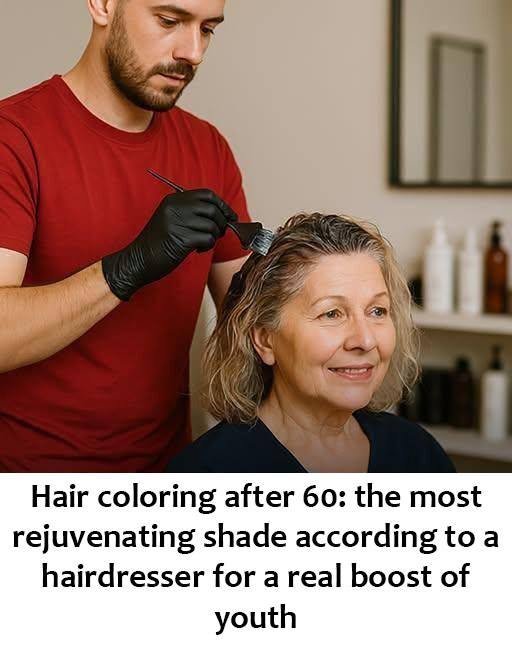
Here is the advice a skilled hairdresser would likely share:
The Guiding Principle: It’s About Light & Dimension
The biggest mistake is going for a single, flat, all-over color (especially a harsh, dark one). That can be aging, as it creates a stark contrast with skin tone and emphasizes fine lines. The goal is to bring light to the face.
Top Color Strategies Recommended by Pros:
-
Embrace & Enhance Your Gray/Silver: If you have a good amount of natural silver, don’t cover it—refine it. A professional can use glossing or toning treatments (in shades like pearl, platinum, or silver) to neutralize any yellow or brassy tones, leaving you with a stunning, modern, icy white or shiny silver mane. This look is confident, low-maintenance, and incredibly chic.
-
Soft Blonde & Brunette with Babylights/Balayage: If you prefer to cover gray, avoid a solid base.
-
For Blondes: Think “lived-in” blonde. Ask for a softer, multi-dimensional blend using techniques like babylights (very fine highlights) around the face and throughout. This breaks up regrowth lines and creates a natural, sun-kissed effect that’s far more flattering than a uniform platinum.
-
For Brunettes: Ditch the single-process dark brown. Opt for a richer, warmer base (think chestnut, caramel, or auburn tones) with subtle, softer highlights (not chunky stripes) woven in. This adds warmth and luminosity around the face, where skin can sometimes lose its rosy undertones.
-
-
The “Face-Framing” Revolution: This is the #1 trick. Whether you have short or long hair, asking for lighter, brighter pieces just around the hairline and part acts like natural highlights, drawing light directly to your eyes and smile. It’s a low-commitment way to test a brighter look.
-
Warmer is Usually More Flattering: As skin matures, it can become paler or sallower. Cool, ashy tones can sometimes wash you out. Incorporating subtle warmth—like golden, honey, caramel, or strawberry notes—can add a healthy, vital glow. However, if you have a cool skin tone with pink undertones, cool platinum or ash brown can still be stunning. Consultation is key!
-
Mind the Contrast, Not the Color: The most important factor is the contrast between your hair color and your skin tone. A very pale complexion can be overwhelmed by jet black, while a deeper skin tone can carry richer, darker colors beautifully. The aim is a complementary contrast that illuminates, not overwhelms.
The Hairstylist’s “What to Avoid” List:
-
A single, dark, opaque color all over (it’s harsh and highlights every line).
-
Very severe, solid block colors (like solid black or solid platinum with no variation).
-
Colors that are too ashy or cool if you have warm undertones (they can make skin look grey).
-
Ignoring your skin’s changing undertones. What worked at 40 may not work at 60.
-
Trying to exactly replicate your childhood hair color (your skin tone is different now).
The Final, Most Important Piece of Advice:
Book a consultation. A good hairdresser will:
-
Look at your skin tone, eye color, and natural base under good light.
-
Discuss your lifestyle and maintenance level (how often you can come in).
-
Show you swatches or photos of the proposed colors on people your age.
-
Recommend a gloss or glaze treatment to add shine—nothing makes color look more youthful and healthy than incredible shine.
The bottom line: The most youthful hair color after 60 is one that looks intentional, healthy, and full of light. It should make you feel like the best, most vibrant version of yourself—not like you’re wearing a disguise.