Our feet are our foundation, and they often send us clear signals about our overall health. Ignoring these signs can lead to discomfort and more serious issues. Here’s a guide to common warning signs and natural, supportive remedies to care for your feet.
Key Warning Signs on Your Feet
-
Dry, Cracked Heels
-
What it signals: Severe dehydration, lack of moisturizing, vitamin deficiencies (like Omega-3, Vitamin E), thyroid issues, or fungal infection.
-
When to worry: If cracks are deep, painful, bleed, or show signs of infection (redness, swelling, pus).
-
-
Persistent Odor
-
What it signals: Overactive sweat glands and bacteria/fungi breaking down sweat. It can also indicate hormonal changes or stress.
-
When to worry: If accompanied by itching, peeling, or sores, it could be a fungal infection like athlete’s foot.
-
-
Changes in Color or Temperature
-
Yellowing Nails: Often a fungal infection.
-
Blue or Purple Toes: Can indicate poor circulation or Raynaud’s phenomenon.
-
Red, Hot, Swollen Joints: Could be gout, infection, or arthritis.
-
When to worry: Sudden color changes, especially with pain, warrant a doctor’s visit.
-
-
Itching, Peeling, or Blistering
-
What it signals: Most commonly athlete’s foot (fungal infection) or dyshidrotic eczema. Peeling between toes is a classic fungal sign.
-
When to worry: If it spreads, doesn’t improve with OTC antifungal cream, or shows signs of bacterial infection.
-
-
Ingrown Toenails
-
What it signals: Improper nail trimming, tight footwear, or trauma. Pain, redness, and swelling at the nail edge.
-
When to worry: If severely painful, red, and oozing (sign of infection).
-
-
Bumps, Lumps, and Growths
-
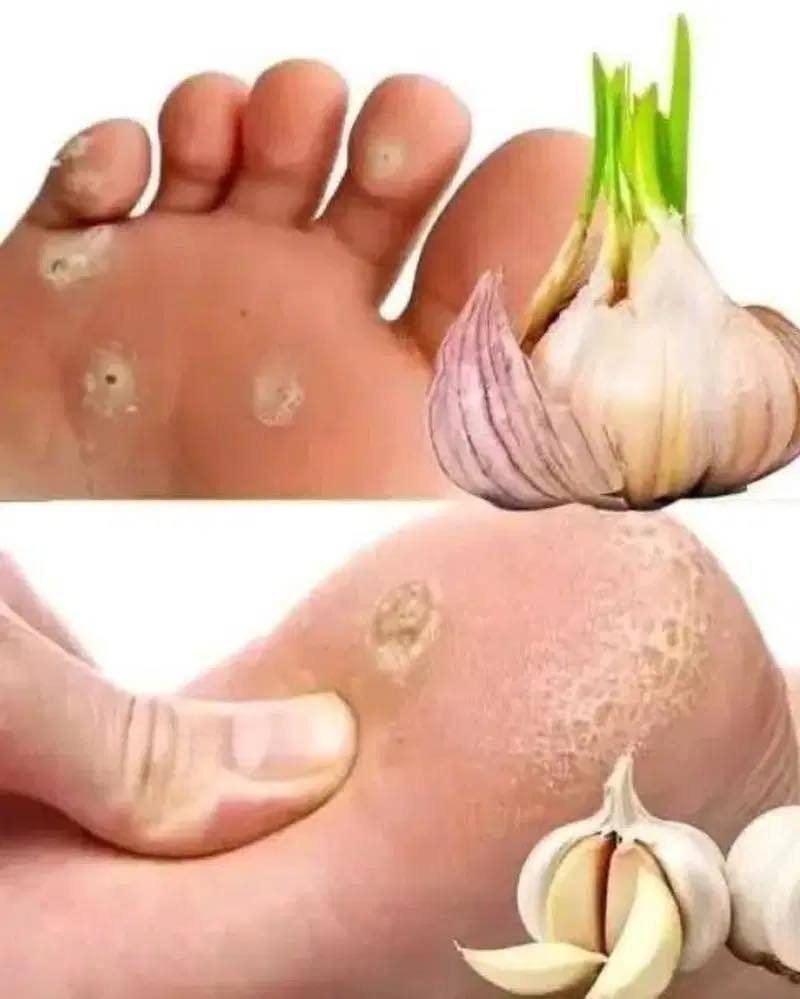
Plantar Warts: Caused by HPV virus, often have small black dots and hurt when pinched.
-
Bunions/Corns/Calluses: Caused by pressure and friction from footwear or gait.
-
When to worry: Any rapid change in size, color, or shape of a growth should be checked.
-
-
Numbness or Tingling
-
What it signals: A major red flag for peripheral neuropathy, commonly linked to diabetes, vitamin B12 deficiency, or nerve compression.
-
When to worry: See a doctor promptly if you experience persistent or unexplained numbness/tingling.
-
Natural Remedies & Care Routine
Important: These are supportive, preventive, and for mild issues. See a podiatrist or doctor for diagnosis of persistent or serious problems.
1. For Dry, Cracked Heels:
* Soak & Exfoliate: Soak feet in warm water with a few tablespoons of apple cider vinegar (antibacterial) or Epsom salts (softening) for 15-20 mins. Use a pumice stone on damp skin.
* Moisturize Deeply: After drying, apply a thick layer of natural emollients like raw shea butter, coconut oil, or beeswax-based balm. Wear cotton socks overnight to lock in moisture.
* Hydrate & Nutrition: Drink plenty of water and ensure diet includes healthy fats (avocados, nuts).
2. For Odor & Sweat:
* Antibacterial Soaks: Soak feet in warm black tea (tannic acid kills bacteria and closes pores) or a mix of water and a few drops of tea tree oil (antifungal/antibacterial).
* Powder: Dust feet with cornstarch or baking soda to absorb moisture. You can add a few drops of lavender or peppermint essential oil for fragrance and antimicrobial properties.
* Shoe Care: Let shoes air out for 24 hours between wears. Use cedar shoe trees.
3. For Fungal Suspicions (Athlete’s Foot/Mild Toenail):
* Tea Tree Oil: A potent antifungal. Dilute with a carrier oil (like coconut) and apply to affected area 2-3 times daily. Patch test first.
* Vinegar Soaks: A daily soak in 1 part vinegar (white or ACV) to 2 parts water creates an acidic environment fungi hate.
* Keep Dry: Dry feet thoroughly, especially between toes. Wear moisture-wicking socks.
4. For Calluses & Corns:
* Soak and Gently File: Use a foot soak followed by gentle filing with a pumice stone or foot file. Never cut them.
* Cushion: Use moleskin pads around (not on) the callus to relieve pressure.
* Address the Cause: Evaluate footwear for poor fit or pressure points.
5. For Ingrown Toenail Prevention:
* Soak in Warm Salt Water to reduce inflammation.
* Proper Trimming: Cut nails straight across, never rounded at the corners.
* Wedge Technique: After soaking, you can gently place a tiny piece of cotton or dental floss under the ingrown corner to help it grow above the skin. Discontinue if pain increases.
6. General Foot Health Ritual:
* Weekly Soak: Use Epsom salts, a few drops of essential oil (lavender for relaxation, peppermint for refreshment).
* Daily Inspection: Especially if diabetic. Check for any changes.
* Proper Footwear: Wear supportive shoes with good arch support and a wide toe box.
* Go Barefoot (Safely): When at home on clean surfaces, to let feet breathe and strengthen intrinsic muscles.
When to See a Doctor Immediately
-
Signs of infection (increasing redness, warmth, pus, red streaks, fever).
-
A sore or ulcer that doesn’t heal (especially crucial for diabetics).
-
Sudden, severe swelling or pain.
-
Numbness, tingling, or burning that is new or persistent.
-
Any concerning change in color or temperature not linked to obvious injury.
Your feet carry you through life—listening to their warnings and caring for them naturally can keep you moving comfortably for years to come.