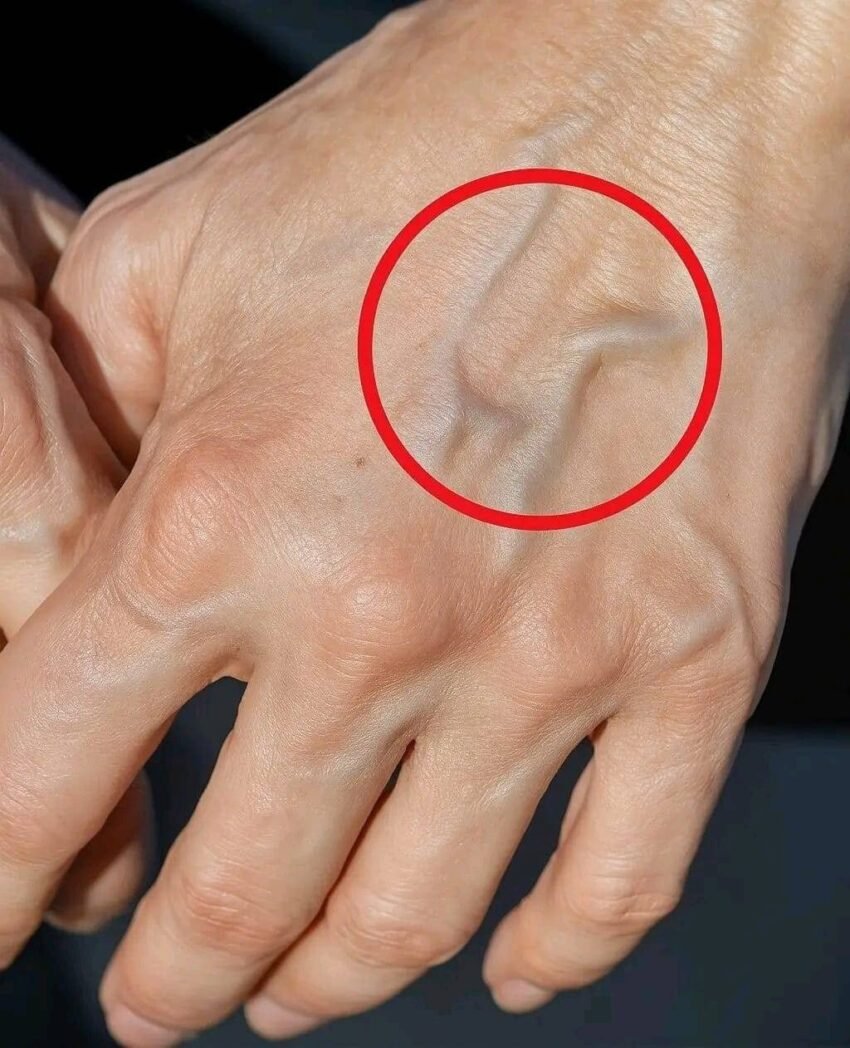
Visible veins are a common occurrence and are usually harmless, but they can sometimes signal underlying health conditions. Here’s what different types of visible veins typically mean and why you might notice them.
1. Blue or Green Veins Close to the Skin
-
What they are: Superficial veins, usually on hands, feet, chest, or legs.
-
Why they’re visible:
-
Thin or pale skin (genetic or age-related thinning of skin and fat layer).
-
Low body fat (athletes or lean individuals).
-
Dehydration (reduced blood volume makes veins more prominent).
-
Exercise (increased blood flow temporarily enlarges veins).
-
Heat (veins dilate to cool the body).
-
-
When to worry: Rarely a concern unless accompanied by pain, swelling, or color changes.
2. Varicose Veins & Spider Veins
-
Varicose veins: Bulging, twisted, often bluish cords, usually on legs.
-
Spider veins: Fine, web-like red or purple lines on legs or face.
-
Causes: Weak or damaged vein valves, genetics, pregnancy, standing/sitting for long periods, aging, obesity.
-
Symptoms: Aching, heaviness, swelling, itching, or cramping in legs.
-
When to see a doctor: If painful, swollen, or if skin changes color or ulcers develop.
3. Sudden, Painful, or Warm Visible Veins
-
Could indicate:
-
Superficial thrombophlebitis: Inflammation and blood clot in a vein close to the skin.
-
Deep vein thrombosis (DVT): A deeper, more serious blood clot (often in the leg)—requires immediate medical attention.
-
-
Red flags: Swelling, redness, warmth, tenderness, or a hard lump along a vein.
4. Visible Veins on Chest or Torso
-
Common causes: Low body fat, weight loss, exercise (especially weightlifting), genetics.
-
Less commonly: Could reflect increased venous pressure from heart or liver issues if accompanied by other symptoms (shortness of breath, abdominal swelling).
5. Newly Visible Veins in Unusual Places
-
With other symptoms (fatigue, bruising, weight loss): Could signal anemia, thyroid disorders, or circulation issues.
-
After injury: Could indicate vascular trauma.
-
With skin changes: Could be related to sun damage, aging, or collagen disorders.
When to See a Doctor
Consult a healthcare provider if visible veins are accompanied by:
-
Pain, swelling, warmth, or tenderness
-
Skin discoloration, sores, or ulcers near veins
-
Sudden appearance with shortness of breath or chest pain (possible clot traveling to lungs)
-
Veins that bleed easily or appear inflamed
-
Concerns about circulation or heart health
Managing & Reducing Visibility (Cosmetic & Comfort)
-
Stay hydrated to improve blood volume and vein prominence.
-
Exercise regularly to support circulation.
-
Elevate legs to reduce venous pressure.
-
Wear compression stockings for varicose vein symptoms.
-
Maintain healthy weight to reduce pressure on veins.
-
Avoid prolonged standing/sitting.
-
Medical treatments: Sclerotherapy, laser therapy, vein ablation, or surgery for significant cases.
Bottom Line
Most visible veins are normal and related to skin tone, body fat, genetics, or temperature. However, painful, swollen, or suddenly prominent veins warrant a medical check-up to rule out vascular problems like blood clots or chronic venous insufficiency.
If in doubt, a visit to a primary care doctor, dermatologist, or vascular specialist can provide clarity and peace of mind.