Here are some of the most effective oven cleaning tricks, from natural, low-fume methods to heavy-duty chemical solutions, ranked from least to most aggressive.
Method 1: The Steam-Clean Trick (Easiest & Most Natural)
This uses steam to loosen baked-on grime.
-
Remove racks and soak them separately in the sink with hot water and dish soap.
-
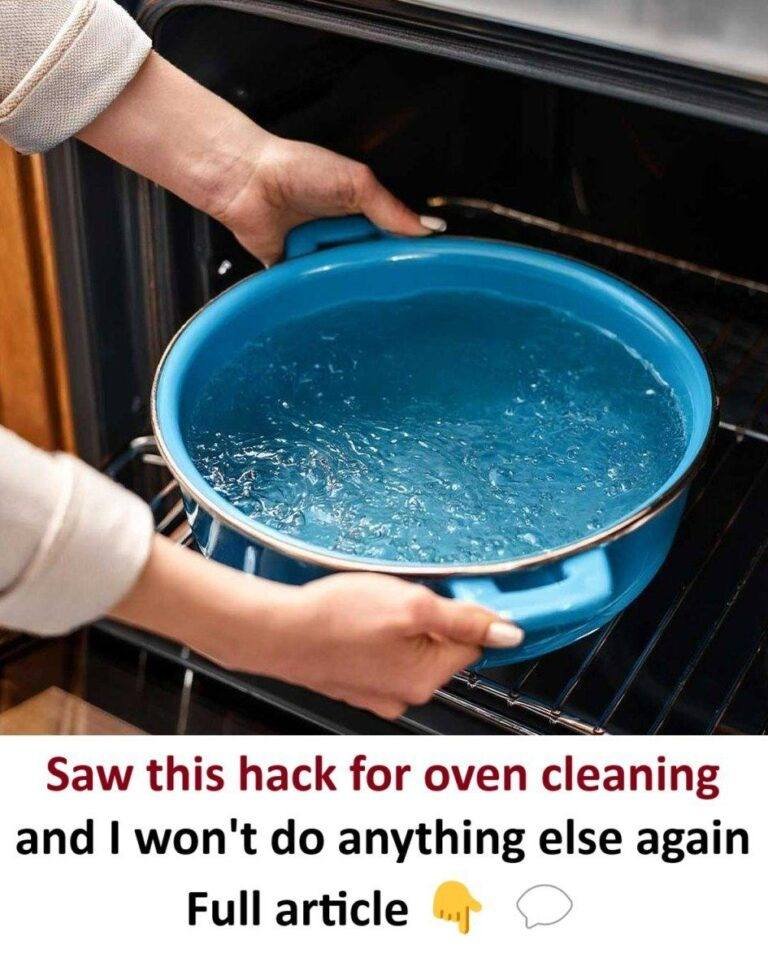
Place a heatproof bowl or pan of water in the center of a cold oven.
-
Add citrus for extra power: Squeeze the juice of 1–2 lemons or oranges into the water and drop the peels in.
-
Heat the oven to 250°F (120°C) and let it steam for 45–60 minutes. Turn off the oven, but keep the door closed for another 30 minutes.
-
Carefully remove the hot bowl. Wipe down the entire interior with a damp microfiber cloth or sponge. The grime should wipe away easily.
Best for: Light to moderate grease and splatters. Great for routine maintenance.
Method 2: The Baking Soda Paste (Powerful & Non-Toxic)
This is the gold standard for natural, abrasive cleaning.
-
Make a thick paste of baking soda and water (about 3:1 ratio).
-
Apply paste to the entire cold oven interior, avoiding heating elements and gas vents. Wear gloves.
-
Let it sit overnight (8–12 hours). The baking soda will dry and turn light brown.
-
Dampen a cloth with warm water or white vinegar (it will fizz, helping to break down residue) and wipe out the paste. Use a plastic scraper or spatula for stubborn spots.
-
Rinse thoroughly with a clean, damp cloth to remove any residue.
Best for: Moderate baked-on grease and stains. Extremely effective and fume-free.
Method 3: The Chemical Cleaner “Boost” Trick (For Tough Grime)
When commercial oven cleaner needs a boost.
-
Ventilate! Open windows and turn on the exhaust fan.
-
Wear gloves and eye protection. Apply a heavy-duty oven cleaner (like Easy-Off) according to the label—usually sprayed on a cold oven.
-
The Trick: Instead of waiting 20 minutes, place damp, old towels in the bottom of the oven to create a humid environment. Close the door and wait 2–3 hours or overnight. The humidity helps the chemicals penetrate.
-
Wipe out thoroughly with paper towels or a dedicated sponge, then rinse with water.
⚠️ Warning: Use extreme caution. Chemicals are corrosive. Do not use on self-cleaning oven interiors. Rinse thoroughly to avoid fumes during next use.
Method 4: The Self-Cleaning Cycle (Fast but Intense)
Your oven’s built-in nuclear option.
-
Remove all racks, pans, and foil liners (they can warp or melt).
-
Wipe out loose debris to minimize smoke.
-
Lock the door and run the self-cleaning cycle (typically 2–4 hours).
-
Once completely cooled, wipe out the white ash residue with a damp cloth.
⚠️ Important: This cycle generates extreme heat and smoke. Disable smoke alarms, ensure superb ventilation, and stay home to monitor. Not recommended for ovens with heavy grease buildup (fire risk).
Pro Tips & Warnings
-
Always start with a cold oven.
-
Protect yourself: Wear gloves and eye protection, especially with chemicals.
-
For glass doors: Make a baking soda paste, apply, let sit, then scrub with a non-scratch sponge. Use a razor blade scraper (at a 45° angle) for stubborn carbonized film.
-
For racks: Soak in the bathtub overnight with 1 cup dishwasher detergent (the cheap powder kind) in the hottest water you can get. Grease will float off.
-
Prevent future mess: Place a silicone baking mat or foil on the oven bottom to catch drips (never on the very bottom of a gas oven or on heating elements).
Quick Decision Guide
-
Light cleaning & fresh smell: Steam-Clean Trick
-
Standard natural clean: Baking Soda Paste
-
Neglected, greasy oven: Chemical Cleaner “Boost”
-
Fast, hands-off (with caution): Self-Cleaning Cycle
Choose the method that matches your oven’s level of dirt and your preference for natural vs. chemical cleaning. Always prioritize safety and ventilation.