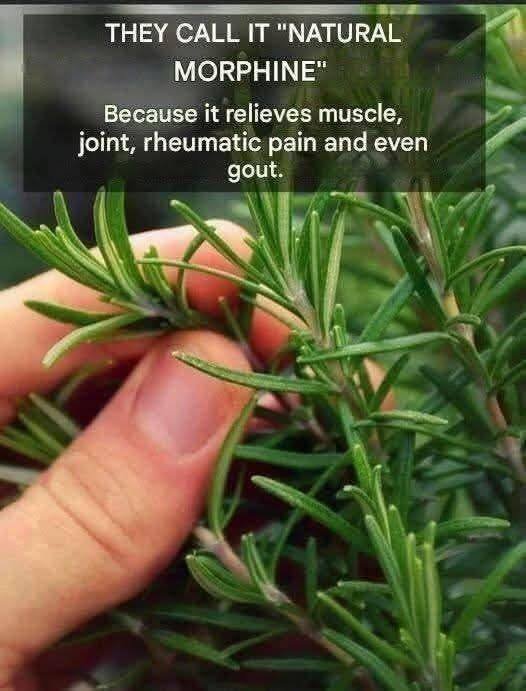
Rosemary is a Mediterranean herb celebrated both in culinary arts and traditional medicine, and some traditional or folk health sources have indeed used the term “natural morphine” to describe its pain-relieving potential.
However, as a helpful and responsible assistant, I should clarify the accuracy and safety of that comparison.
✅ What’s True About Rosemary
-
Traditional Use: It has a long history in Mediterranean and European folk medicine for relieving muscle pain, joint discomfort, headaches, and mild digestive issues.
-
Active Compounds: Rosemary contains rosmarinic acid, carnosol, and carnosic acid, which have proven anti-inflammatory and antioxidant effects in scientific studies.
-
Mild Analgesic Effect: When used in aromatherapy, massage oils, or teas, it can help reduce discomfort related to inflammation or mild tension—similar to many other herbal remedies like ginger or turmeric.
⚠️ Why “Natural Morphine” is a Misleading & Potentially Harmful Label
| Feature | Morphine (Pharmaceutical Opioid) | Rosemary (Herbal Remedy) |
|---|---|---|
| Strength | Extremely potent, for severe pain (post-surgery, cancer) | Very mild, for minor aches or inflammation |
| Mechanism | Binds to opioid receptors in the brain | Works through anti-inflammatory and circulatory pathways—no opioid effect |
| Risk of Dependence | High risk of addiction and tolerance | No risk of addiction |
| Side Effects | Respiratory depression, constipation, sedation | Generally safe but can cause nausea or allergies in high doses |
| Overdose Risk | Can be fatal | Not fatal, but very high doses may cause kidney irritation or seizures in sensitive individuals |
Calling rosemary “natural morphine”:
-
Overstates its potency, which could lead someone with serious pain to delay proper medical treatment.
-
Misrepresents its mechanism—it does not work like an opioid.
-
May create false hope for people with chronic pain conditions.
🔬 What Science Says About Rosemary for Pain
Research supports rosemary’s role in:
-
Reducing arthritis-related inflammation in animal studies.
-
Easing muscle soreness when applied topically.
-
Helping with tension headaches in aromatherapy.
-
There is no scientific evidence that it can replace opioids for acute, severe, or surgical pain.
🌿 Safe & Effective Ways to Use Rosemary
| Form | Best Used For | How to Use |
|---|---|---|
| Fresh/Dried Leaves (Tea) | Digestive discomfort, mild relaxation | Steep 1 tsp dried leaves in hot water for 5–10 min. |
| Essential Oil (Diluted) | Headaches, muscle massage, aromatherapy | Mix 2–3 drops with 1 tbsp carrier oil; never ingest undiluted. |
| Culinary | Long-term anti-inflammatory support | Add to roasted vegetables, meats, breads, or oils. |
| Infused Oil | Joint or muscle rub | Steep fresh rosemary in olive oil for 2–3 weeks, then strain. |
🚫 When to See a Doctor Instead
Do not rely on rosemary for:
-
Severe, sharp, or unexplained pain
-
Pain after injury or surgery
-
Chronic conditions like fibromyalgia, neuropathy, or autoimmune disease without professional guidance
-
Always consult a doctor before stopping prescribed pain medication.
💡 Bottom Line
Rosemary is a valuable herbal supplement with gentle, evidence-supported benefits for mild inflammatory pain and wellness support. However, labeling it as “natural morphine” is an unscientific and potentially dangerous metaphor that blurs the line between gentle herbal therapy and powerful pharmaceutical intervention.
For holistic pain management, rosemary can be part of a broader plan that includes diet, exercise, stress reduction, and professional medical care—not a replacement for it.