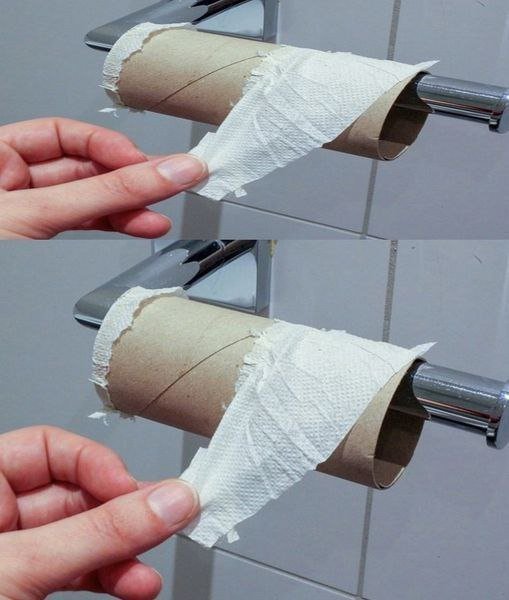
The idea of completely replacing traditional toilet paper (TP) is gaining traction due to sustainability, hygiene, and technological innovation. While it’s unlikely that toilet paper will disappear overnight, several alternatives are already being adopted and could become mainstream in the near future. Here’s a look at the top contenders:
1. Bidets (The Leading Replacement)
-
Types: Electric bidet seats, non-electric attachments, handheld bidets, and standalone bidet fixtures.
-
Why they could replace TP: Superior cleanliness, reduced irritation, and significant environmental benefits (less paper waste, water, and energy compared to TP production).
-
Trend: Already mainstream in Japan, South Korea, Southern Europe, and the Middle East. Gaining rapid popularity in North America post-2020.
2. Smart Toilets with Integrated Washing & Drying
-
These combine a bidet, air dryer, deodorizer, and sometimes even health sensors (e.g., analyzing urine).
-
Example brands: Toto Washlet, Kohler Numi, Brondell.
-
Advantage: Eliminates the need for TP entirely, offering a hands-free, spa-like experience.
3. Water-Based Solutions: Portable & Affordable Options
-
Peri bottles (used postpartum) and portable bidet bottles are low-cost, travel-friendly alternatives.
-
Growing market for foldable silicone bidet sprayers that attach to any toilet.
4. Sustainable & Reusable Wipes
-
Family cloths: Reusable, washable cloth wipes (often made of bamboo or cotton).
-
Pros: Zero waste, soft on skin.
-
Cons: Requires washing infrastructure and hygiene discipline.
5. Flushable/Compostable Wet Wipes (Hybrid Step)
-
Caution: Most “flushable” wipes cause plumbing and sewer issues. Truly compostable versions exist but require industrial composting.
-
Used more as a supplement than a full replacement.
6. High-Tech Alternatives
-
Air or water “drying” systems integrated into toilets.
-
UV sterilization features in luxury smart toilets.
-
3D-printing hygiene solutions (experimental).
Why the Shift Is Accelerating
-
Environmental Impact: Toilet paper production uses vast amounts of water, trees, and energy. The average American uses 141 rolls per year.
-
Hygiene Awareness: Post-pandemic, people are more focused on thorough personal hygiene.
-
Cost Savings: Bidets save households hundreds of dollars annually on TP.
-
Health Benefits: Reduces risks of UTIs, hemorrhoid irritation, and provides better hygiene for people with mobility issues.
What’s Holding Back Full Adoption?
-
Cultural Habits: In many Western countries, TP is deeply ingrained.
-
Upfront Cost: Quality bidet seats or smart toilets require an initial investment.
-
Rental Housing: Installation limitations for permanent fixtures.
-
Perceived Complexity: Some users are hesitant about new technology.
The Most Likely Future Scenario
A hybrid model will likely dominate:
-
Bidets/smart toilets become the primary cleaning method.
-
Toilet paper remains for drying or as a backup, but use declines drastically.
-
Sustainable materials (bamboo, recycled TP) fill the remaining demand.
In short: The “end” of toilet paper really means the end of TP’s monopoly. Water cleaning is poised to become the new norm for hygiene, with TP playing a minor, supplemental role. The transition will be gradual but appears inevitable as sustainability, technology, and health trends converge.