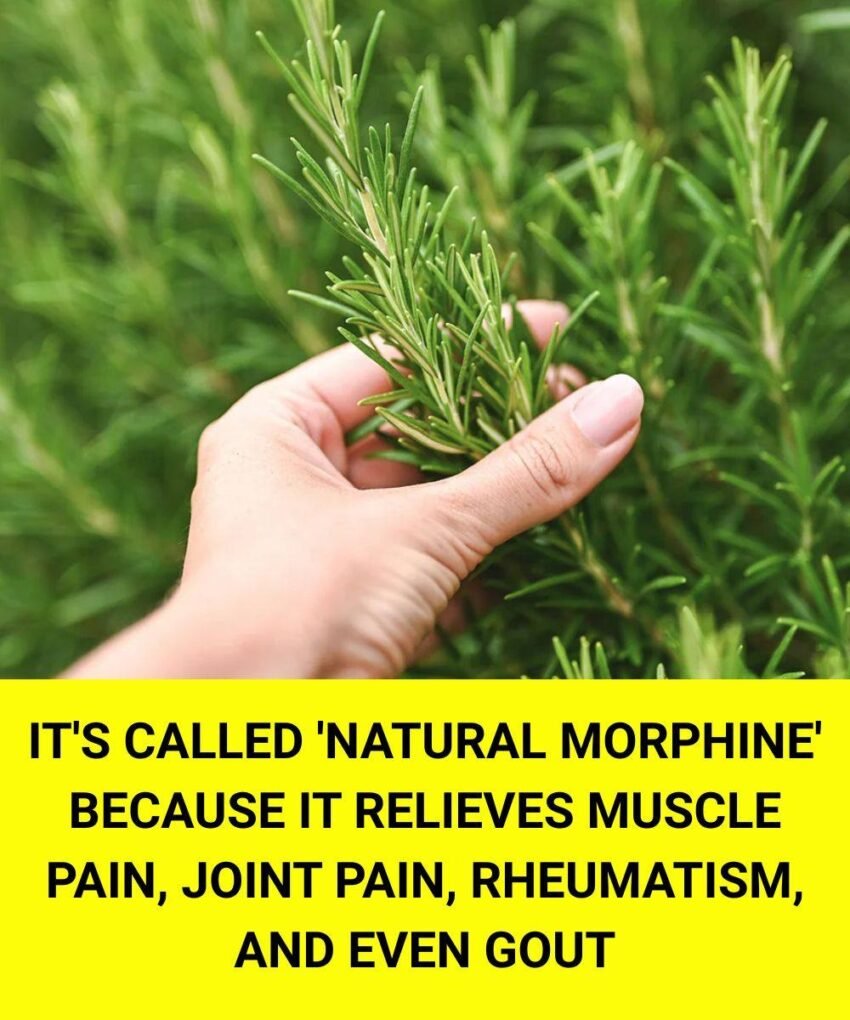
Rosemary is far more than just a culinary herb. For older adults, it offers a fascinating array of potential benefits that align beautifully with the goals of healthy aging—supporting the brain, body, and overall well-being. Here’s a breakdown of its key benefits.
1. Cognitive Support & Memory Enhancement
This is perhaps rosemary’s most celebrated benefit for aging.
-
Aromatherapy for Focus: Inhaling rosemary essential oil has been shown in studies to improve cognitive performance, alertness, and memory in adults. It may be particularly helpful during tasks requiring prolonged mental concentration.
-
Potential Neuroprotective Properties: Rosemary contains compounds like carnosic acid and rosmarinic acid, which are potent antioxidants. Research suggests these may help protect brain cells from oxidative stress and inflammation, factors linked to age-related cognitive decline and neurodegenerative diseases.
-
Historical “Herb of Remembrance”: This traditional use now has some scientific backing, making it a gentle, supportive tool for maintaining mental clarity.
2. Anti-Inflammatory & Antioxidant Powerhouse
Chronic, low-grade inflammation (“inflammaging”) is a root cause of many age-related conditions.
-
Fights Cellular Damage: Rosemary’s antioxidants neutralize free radicals, reducing oxidative damage to cells throughout the body.
-
May Ease Aches: Its anti-inflammatory properties can help soothe minor joint and muscle aches common with aging. Massaging with a diluted rosemary oil (in a carrier oil) can be soothing.
3. Digestive Aid
Digestion can become less efficient with age.
-
Carminative Properties: Rosemary has traditionally been used to relieve gas, bloating, and mild indigestion. A cup of mild rosemary tea after a meal may support smoother digestion.
-
Gentle Tonic: It’s believed to stimulate bile flow, which aids in the digestion of fats.
4. Circulatory & Hair Health
-
May Support Circulation: Rosemary is sometimes considered a mild circulatory stimulant. Improved circulation benefits overall vitality and can contribute to skin health.
-
Topical Hair Treatment: Rosemary oil (always diluted) applied to the scalp is a popular natural remedy for thinning hair. Some studies suggest it can be as effective as minoxidil for certain types of hair loss, improving thickness and growth, which can boost self-esteem.
5. Mood & Stress Support
-
Invigorating Aroma: The scent of rosemary is often described as energizing and uplifting. It can help combat mental fatigue, low energy, and mild stress—common challenges that can affect quality of life.
-
Creating Routine: The simple act of tending to a rosemary plant, brewing tea, or using the oil can be a mindful, mood-boosting ritual.
How Older Adults Can Safely Use Rosemary
1. Culinary Use (Safest and Easiest):
-
Add fresh or dried rosemary to roasted vegetables (potatoes, carrots), lean meats, soups, stews, and bread.
-
Benefit: Get antioxidants in a gentle, food-based form.
2. Rosemary Tea:
-
Steep a 1-inch sprig of fresh rosemary or 1 tsp of dried rosemary in a cup of hot water for 5-10 minutes. Strain and enjoy. Start with a weak brew to assess tolerance.
-
Benefit: Aids digestion and provides antioxidants.
3. Aromatherapy & Inhalation:
-
Diffuse a few drops of high-quality, pure rosemary essential oil in a well-ventilated room.
-
Inhale directly from the bottle or place a drop on a tissue.
-
Benefit: Enhances alertness, memory, and mood.
4. Topical Application (Diluted Essential Oil):
-
For the scalp/hair: Mix 3-5 drops of rosemary essential oil with 1 tablespoon of a carrier oil (like coconut or jojoba). Massage into the scalp 2-3 times per week.
-
For muscles/joints: Dilute similarly in a carrier oil and massage onto the affected area.
-
CRUCIAL: Always do a patch test for skin sensitivity first.
Important Safety Considerations & Contraindications
-
Medication Interactions: Rosemary can interact with certain medications. It’s important to consult a doctor before regular use if taking:
-
Blood thinners (like Warfarin/Aspirin) – Rosemary contains vitamin K and may have antiplatelet effects.
-
ACE inhibitors for high blood pressure.
-
Diuretics (“water pills”) – Rosemary also has mild diuretic properties.
-
Lithium.
-
-
Essential Oil Caution: NEVER ingest essential oils unless under the guidance of a qualified professional. They are highly concentrated and can be toxic. For internal benefits, use the herb itself (culinary or tea).
-
Start Low, Go Slow: Older adults may have increased sensitivity. Start with very small amounts in tea or food to see how your body responds.
-
Epilepsy & High Blood Pressure: Traditionally, it’s advised that those with epilepsy or uncontrolled hypertension should avoid high doses of rosemary (especially the essential oil), as it may potentially stimulate the nervous system.
Conclusion:
Rosemary is a wonderful gift from nature that can support healthy aging by nurturing the mind, soothing the body, and enhancing daily well-being. Its best and safest role is as a supportive complement to a healthy lifestyle—not a substitute for medical care. Always discuss adding any new herbal regimen with a healthcare provider, especially when managing chronic conditions or medications. Used wisely, rosemary can be a fragrant and beneficial ally in the journey of aging well.