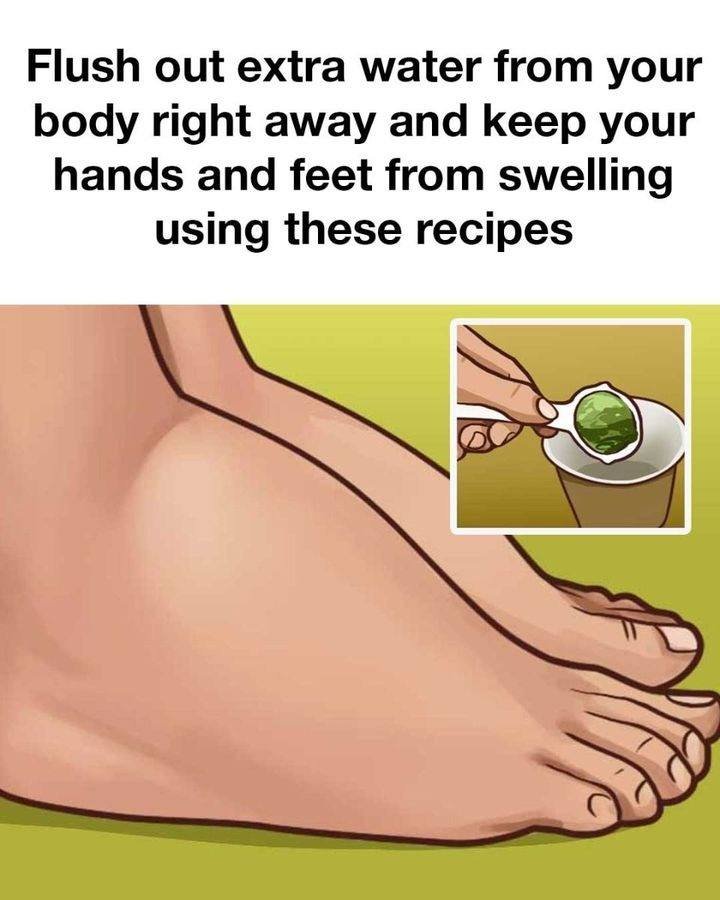
Water retention, also known as edema, occurs when excess fluids build up inside the body. This condition can cause swelling in the hands, feet, ankles, and legs. While it’s often temporary, persistent water retention can be uncomfortable and may indicate an underlying health issue. It’s crucial to understand the causes, symptoms, and effective ways to manage and reduce water retention to maintain overall health.
Causes of Water Retention
There are various reasons why the body might retain extra water. Common causes include high sodium intake, hormonal changes, certain medications, lack of physical activity, and underlying medical conditions such as heart or kidney disease. Understanding the root cause can help in finding the right approach to alleviate symptoms and prevent recurrence.
📋 Symptoms: More Than Just Swelling
While swelling (edema) in the hands, feet, ankles, and legs is the hallmark sign, other symptoms often accompany it:
-
Puffiness or shininess of the skin.
-
Skin that retains a dimple after being pressed for several seconds (pitting edema).
-
Stiffness or aching in the affected joints.
-
Unexplained weight fluctuations over short periods.
-
A feeling of tightness or fullness.
🩺 Underlying Medical Conditions to Rule Out
As you noted, persistent edema warrants a doctor’s visit to rule out or manage serious causes, including:
-
Heart, Kidney, or Liver Disease: When these organs don’t function properly, fluid balance can be disrupted.
-
Chronic Venous Insufficiency: Weak valves in leg veins cause blood to pool.
-
Lymphedema: Blockage in the lymphatic system.
-
Thyroid Disorders: Hypothyroidism can cause fluid accumulation.
💊 Effective Ways to Manage and Reduce Water Retention
Management focuses on lifestyle adjustments. Always implement these under the guidance of a doctor if you have a diagnosed medical condition.
| Strategy | How It Helps | Specific Actions |
|---|---|---|
| 1. Reduce Sodium (Salt) Intake | Excess sodium makes your body hold onto water to dilute it. This is the most common dietary cause. | • Cook at home using herbs/spices instead of salt. • Avoid processed foods, canned soups, and fast food. • Read labels for sodium content. |
| 2. Increase Potassium-Rich Foods | Potassium helps balance sodium levels and increases urine production. | • Eat bananas, avocados, sweet potatoes, spinach, beans, and salmon. |
| 3. Stay Hydrated | It seems counterintuitive, but dehydration can cause the body to cling to water. | • Drink water consistently throughout the day. • Herbal teas like dandelion tea may have a mild diuretic effect. |
| 4. Move and Elevate | Movement pumps fluid from tissues back into circulation. Gravity helps drain fluid. | • Take short walks, avoid sitting/standing for long periods. • Elevate swollen legs above heart level for 30 minutes, 3-4 times a day. |
| 5. Review Medications | Some drugs are a common cause (e.g., for blood pressure, diabetes, NSAIDs like ibuprofen). | Do NOT stop medication. Discuss side effects with your doctor—they may adjust dosage or type. |
| 6. Wear Compression Garments | Applies pressure to prevent fluid from accumulating in limbs. | • Compression socks or stockings for swollen legs/ankles. |
| 7. Adjust Macronutrients | Severe, long-term low-carb diets can deplete glycogen stores, which also hold water, causing shifts. | • Ensure a balanced diet with adequate complex carbs and protein. |
⚠️ When to See a Doctor Immediately (Red Flags)
Seek prompt medical attention if swelling is accompanied by:
-
Shortness of breath, chest pain, or pressure (could indicate heart failure).
-
Sudden, painful swelling in one leg (could indicate a blood clot).
-
Swelling with red, warm skin (could indicate an infection).
-
Significant decrease in urine output.
-
Swelling that persists despite several days of self-care.
🔍 The Diagnostic Process
If you see a doctor for persistent edema, they will likely:
-
Take a detailed history (diet, medications, symptoms).
-
Perform a physical exam, checking for pitting.
-
Order tests such as blood work (to check kidney, liver, protein levels), urine tests, or an ultrasound of the legs/veins.
Bottom Line: For temporary, mild edema (like from a salty meal or long flight), the lifestyle strategies above are very effective. For persistent or severe swelling, a medical evaluation is crucial to identify and treat any underlying condition.
Would you be interested in a deeper look at the link between specific dietary choices (like magnesium intake) and fluid balance?