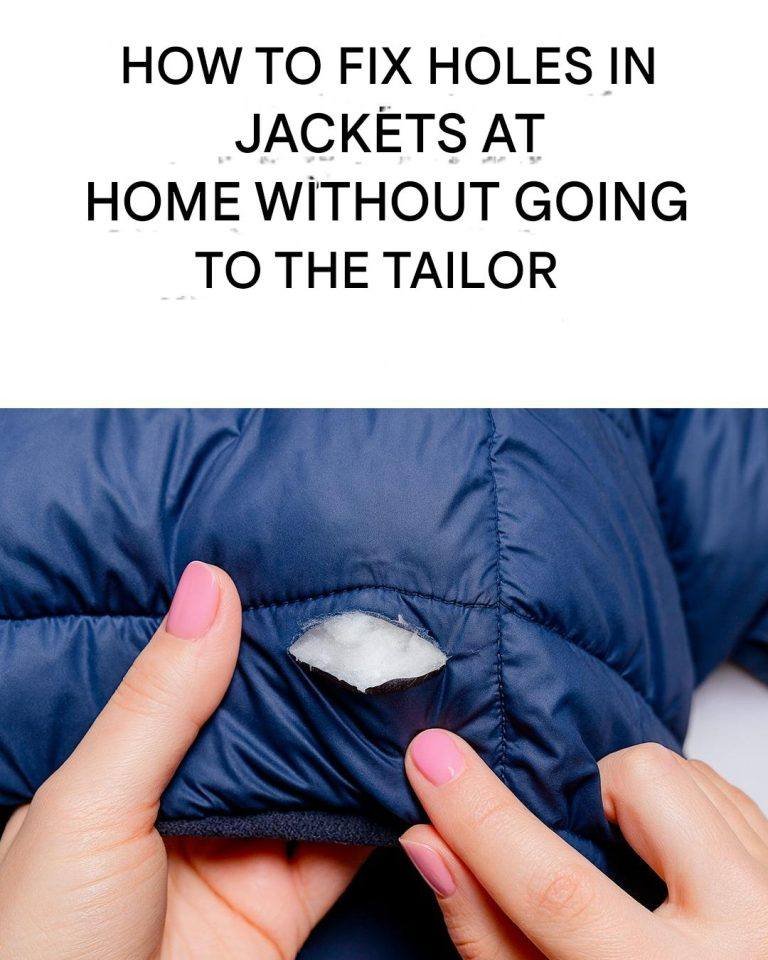
Here’s a practical guide to repairing holes in jackets, from quick fixes to more durable repairs, covering both casual and technical/outdoor jackets.
Before You Start: Assess the Damage
-
Fabric type: Is it denim, cotton, wool, down/puffer, or a technical waterproof fabric?
-
Hole size: Small punctures, tears, or large rips?
-
Jacket’s use: Everyday fashion jacket vs. performance outerwear.
Quick & Easy Solutions (No-Sew)
1. Iron-On Patches (Best for small holes in casual jackets)
-
How-to: Buy fabric patches (denim, twill, etc.). Place patch over hole (adhesive side down), cover with a thin cloth, and iron on high heat for 30–60 seconds.
-
Pros: Fast, no skill needed.
-
Cons: May not hold on stretchy fabrics; can peel over time.
2. Fabric Glue or Adhesive Tape (Temporary fix)
-
How-to: Apply fabric glue around edges of the hole, press together, and let dry. For outdoor gear, use Tenacious Tape or Gear Aid tape (cut to size, round the corners, press firmly).
-
Pros: Instant, great for on-the-trail repairs.
-
Cons: Not always a permanent solution; may not be machine-washable.
3. Fusible Interfacing or Bonding Web (Invisible-ish repair from inside)
-
How-to: For small holes, place a piece of fusible interfacing (like HeatnBond) inside the jacket under the hole. Iron to bond the fabric together.
-
Pros: Low-profile, stabilizes the fabric.
-
Cons: Works best on woven (not coated or down) fabrics.
Sewn Repairs (More Durable)
1. Hand Stitching (Small holes, all fabrics)
-
Use a ladder stitch (invisible stitch) for clean holes.
-
Use a simple whipstitch to pull edges together for tears.
-
Tip: Use matching thread and a thin needle. For thick fabrics like denim, use a thimble.
2. Patches (Stylish or discreet)
-
Exterior Patch: Cut fabric slightly larger than hole, turn edges under, pin, and stitch around (by hand or machine). Makes a statement—think elbow patches on blazers.
-
Interior Patch: Place patch behind hole, stitch around hole through both layers. Less visible.
3. Darning (Good for knits, sweaters, wool jackets)
-
Use a darning needle and thread to weave over the hole, creating a woven patch. Works well for moth holes in wool coats.
Specialty Jacket Repairs
1. Down/Puffer Jackets
-
Small hole: Use a down repair tape (like Gear Aid) for an instant seal.
-
Larger tear: Hand-stitch with a fine needle and nylon thread, then add a tape patch over it to stop down leakage.
-
Important: Avoid pulling down filling through the fabric while sewing.
2. Waterproof/Rain Jackets
-
For tiny punctures: Apply a drop of seam sealer (like McNett) or use waterproof repair tape.
-
For tears: Clean area, apply tenacious tape on outside and a patch on the inside for full waterproof integrity.
-
Tip: Round the corners of tape patches to prevent peeling.
3. Leather or Suede Jackets
-
Small holes: Use a leather repair kit with filler compound, colorant, and grain paper.
-
Larger damage: Best taken to a professional leather repair shop.
Step-by-Step: Quick Tenacious Tape Repair (for outdoor jackets)
-
Clean and dry the area.
-
Cut a piece of repair tape at least 1″ larger than the hole.
-
Round the corners (so they don’t lift).
-
Peel backing and apply firmly, smoothing from center outward.
-
Let cure 24–48 hours before washing or heavy use.
When to Go to a Professional
-
Large rips in expensive jackets (like a ski shell or Gore-Tex).
-
Zipper replacement.
-
Lined jackets where interior access is difficult.
-
Leather jackets with significant damage.
Final Tips
-
Always clean the jacket before repairing.
-
For patterned jackets, harvest repair fabric from an inside seam or hidden area (like a pocket bag).
-
On technical gear, check if the manufacturer sells repair kits—they often include matching fabric.
Even a simple repair can extend the life of your favorite jacket for years. Choose the method that matches the jacket’s fabric, function, and your own skill level.