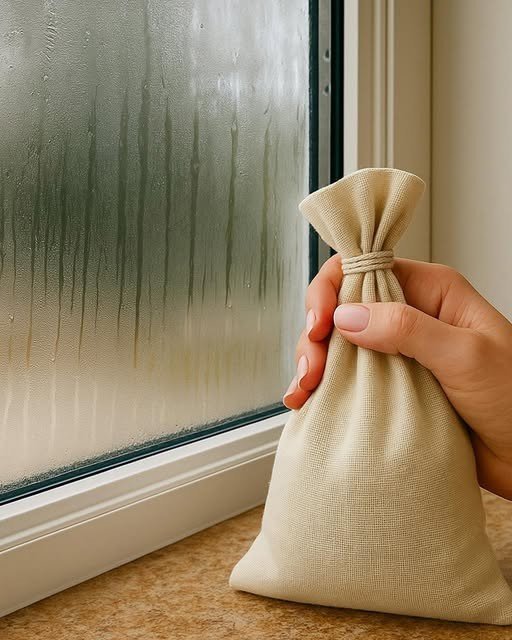
Preventing window condensation naturally is all about balancing humidity, improving air circulation, and managing temperature. Condensation forms when warm, moist indoor air hits a cold window surface. Here’s a comprehensive guide to tackling it with simple, natural solutions.
Part 1: Reduce Indoor Humidity (The Moisture Source)
This is the most effective long-term strategy. Aim for indoor humidity between 30-50%.
-
Ventilate While Cooking & Showering: These are the biggest culprits.
-
Always use your kitchen exhaust fan while cooking and for 15-20 minutes after.
-
Use the bathroom fan during and for at least 30 minutes after a shower. If you don’t have one, crack the window.
-
-
Dry Laundry Outdoors or Ventilated: Avoid drying large amounts of laundry on indoor racks. If you must, do it in a small, closed room with a window open or a dehumidifier running.
-
Houseplants: Be mindful. While they purify air, a large number of plants release moisture (transpiration). Cluster them in sunnier, better-ventilated areas.
-
Natural Dehumidifiers:
-
Bowl of Salt or Charcoal: Place a shallow bowl of rock salt, calcium chloride (like DampRid), or lump charcoal near problem windows. These materials are hygroscopic and will passively absorb moisture from the air.
-
Baking Soda: An open box in a damp room can help absorb minor moisture and odors.
-
-
Open Windows Daily: Even in winter, a short, sharp “air exchange” is key. Open windows on opposite sides of your home for 5-10 minutes to let stagnant, humid air out and dry, fresh air in. This replaces air without cooling down walls and furniture.
Part 2: Improve Air Circulation (Move the Air)
Stagnant air allows moisture to settle on cold surfaces.
-
Ceiling Fans: Run them on low in reverse (clockwise) during winter. This gently pulls cool air up and pushes warm air down along walls and windows, keeping the glass warmer.
-
Strategic Furniture Placement: Ensure sofas, beds, or thick curtains are not pressed right against cold exterior walls or windows, as this traps moist air and creates a cold spot.
-
Ventilation Vents: Never block air vents. Ensure furniture isn’t obstructing the natural airflow from your heating system.
Part 3: Make the Window Surface Warmer
If the glass is less cold, moisture is less likely to condense.
-
Use Insulating Curtains: Heavy, insulating curtains or honeycomb cellular shades create a dead air space between the room and the window, acting as a thermal barrier. Open them during the day to let sun warm the glass, and close them at night.
-
Upgrade Window Treatments: Indoor storm window kits (clear plastic film) are an inexpensive, highly effective solution. They create an insulating air gap that can raise the interior glass temperature by 5-10°F.
-
Let the Sun In: During daylight hours, open all curtains/blinds on south-facing windows to allow solar energy to naturally warm the glass and the room.
Part 4: Absorb & Wipe (Immediate Action)
-
Absorbent Towels/Squeegees: Keep a designated absorbent microfiber cloth or a window squeegee handy to wipe down windows in the morning. Wring the cloth out in the sink.
-
Prevent Mold: Always wipe away condensation promptly, especially from window sills and frames, to prevent mold and mildew growth, which can damage wood and drywall.
What NOT to Do:
-
Don’t turn your thermostat way down. A consistently warm home keeps interior surfaces warmer. A lower indoor temperature can sometimes make condensation worse because the air can’t hold as much moisture, and it will condense more readily.
-
Don’t ignore it. Persistent condensation can lead to mold, rot, and damaged plaster or paint.
Quick Troubleshooting Guide:
| If condensation is… | The likely cause is… | Focus on these solutions… |
|---|---|---|
| Between the panes | Seal failure in a double-pane window. | This requires professional repair or replacement. The insulating gas has escaped. |
| On the interior | High indoor humidity + cold glass. | Reduce humidity & increase circulation (Part 1 & 2). |
| On the exterior | Actually a good sign! It means your windows are very insulating and the outside glass is cold. | Nothing needed. It will evaporate with sun/wind. |
For severe, persistent problems: Consider investing in a hygrometer (to monitor humidity levels) and, if needed, an energy-efficient dehumidifier. This is the most powerful mechanical tool for solving high humidity in basements or tightly sealed homes.
By combining these natural strategies—especially ventilating, using passive absorbers, and insulating the glass—you can dramatically reduce or eliminate window condensation.