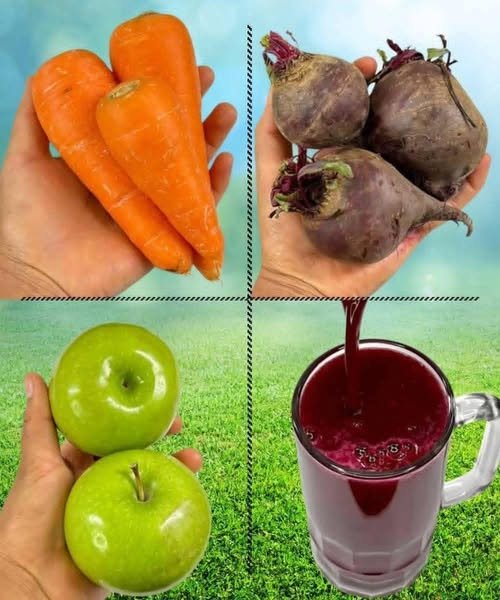
While beet, carrot, and apple juice is a nutrient-dense and healthy beverage, it’s important to have realistic expectations about its health benefits. Let’s break down what this juice can and cannot do, based on evidence and medical understanding.
The Juice: Beet, Carrot & Apple (“BBC” Juice)
A typical recipe includes:
-
1 medium raw beetroot (peeled)
-
2-3 large carrots (peeled if not organic)
-
1 large apple (cored)
-
Optional: 1-inch piece of ginger or half a lemon for added flavor
-
Water (to adjust consistency)
Juice all ingredients in a juicer, or blend and strain for a smoother juice. Drink fresh.
What This Juice CAN Do (The Realistic Benefits)
This combination is an excellent source of specific vitamins, minerals, and antioxidants:
-
For General Health & Energy (Anemia Support):
-
Beets are rich in folate (B9) and iron (non-heme iron). They also contain nitrates that may improve blood flow.
-
Vitamin C from the apple and carrot enhances the absorption of the plant-based iron from the beets and carrots.
-
Realistic Outcome: It can be a supportive addition to an iron-rich diet for managing mild, diet-related anemia. It is not a cure for moderate or severe anemia, which often requires medical diagnosis and iron supplements.
-
-
For Eye Health (Vision Support):
-
Carrots are famous for beta-carotene, which your body converts to Vitamin A—a crucial nutrient for preventing night blindness and maintaining corneal health.
-
Realistic Outcome: It can help maintain good vision and prevent deficiency-related eye issues if you have a poor diet. It will not restore eyesight lost to conditions like myopia, presbyopia, cataracts, or macular degeneration.
-
-
For Liver Health (Fatty Liver Support):
-
Beets contain betalains, antioxidants with anti-inflammatory properties. The fiber (if blended, not juiced) and antioxidants in all three ingredients support overall metabolic health.
-
Realistic Outcome: As part of a comprehensive lifestyle change (weight loss, reduced sugar/alcohol intake, exercise), it can be a supportive, antioxidant-rich drink. It does not “cleanse” a fatty liver. The liver cleanses itself; the goal is to reduce the dietary and metabolic strain on it.
-
What This Juice CANNOT Do (Important Clarifications)
-
❌ It cannot eliminate diagnosed anemia. Severe anemia requires medical treatment (often prescription iron, B12 injections, or addressing underlying causes like bleeding).
-
❌ It cannot restore eyesight from common degenerative conditions, injuries, or genetic issues. See an optometrist or ophthalmologist for vision problems.
-
❌ It cannot cleanse or cure fatty liver disease (NAFLD). Reversal of fatty liver requires sustained weight loss, dietary overhaul (low in refined carbs/sugars), and exercise. No juice alone can achieve this.
-
❌ It is high in natural sugar. Juicing removes beneficial fiber, leading to a concentrated sugar shot. This can be counterproductive for fatty liver and blood sugar control if consumed in excess.
How to Use This Juice Wisely & Safely
-
Consult Your Doctor First: Especially if you have anemia, diabetes, kidney stones (beets are high in oxalates), or liver disease.
-
Think “Supplement, Not Treatment”: Use it as a healthy addition to a balanced diet, not a replacement for medical care.
-
Consider Blending Over Juicing: Blending keeps the fiber, which helps moderate blood sugar spikes and supports gut health.
-
Limit Quantity: A small glass (4-6 oz / 120-180 ml), 3-4 times a week, is sufficient. Do not replace meals with it.
-
The Comprehensive Approach is Key:
-
For anemia: Also eat red meat, poultry, lentils, spinach, and paired with vitamin C.
-
For eye health: Also eat leafy greens (lutein/zeaxanthin), fish (omega-3s), and protect eyes from UV light.
-
For fatty liver: Prioritize weight loss, eliminate added sugars and processed carbs, increase protein and fiber, and exercise regularly.
-
Final Verdict
This beet, carrot, and apple juice is a delicious and healthful drink packed with vitamins and antioxidants. It can support overall wellness as part of a balanced lifestyle. However, making serious medical claims about it is misleading and potentially dangerous, as it may delay effective treatment. Enjoy the juice for its taste and nutritional benefits, but always rely on proven medical guidance for treating health conditions.