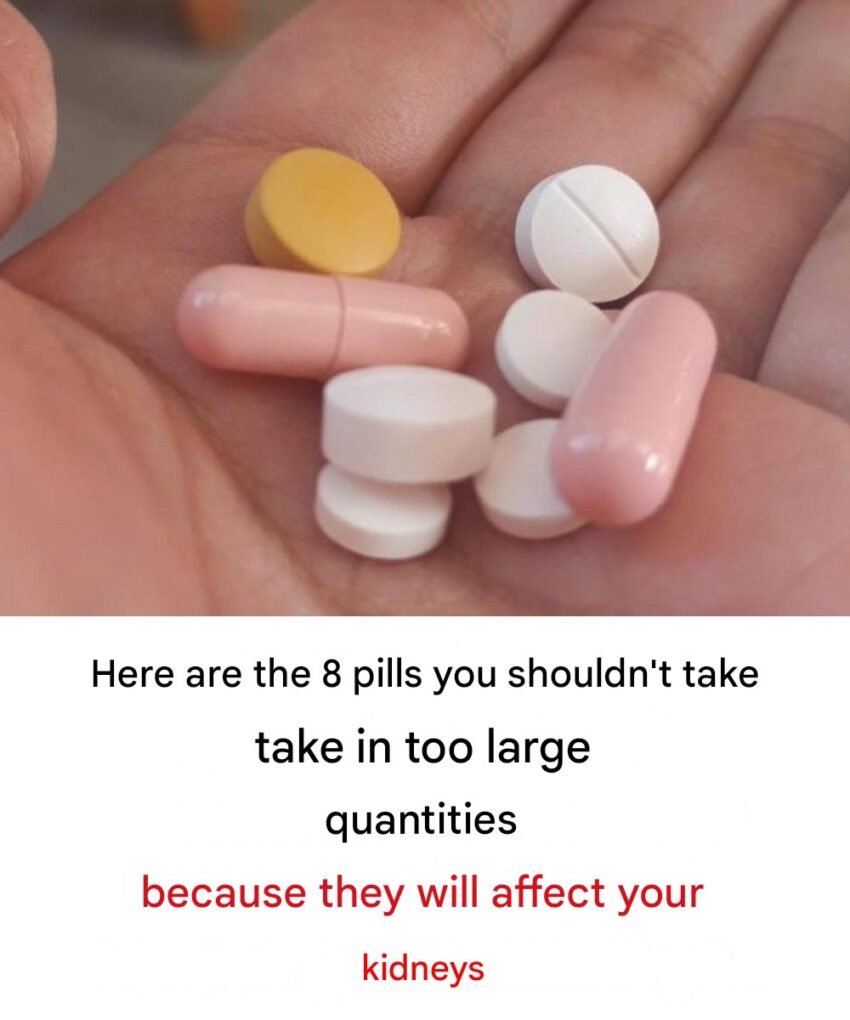
Medication Classes That Require Kidney Monitoring
These are not single “pills to avoid,” but categories where dosage adjustment or careful monitoring is essential, especially if you have existing kidney issues:
-
NSAIDs (Non-Steroidal Anti-Inflammatory Drugs)
-
Examples: Ibuprofen (Advil®, Motrin®), Naproxen (Aleve®), Diclofenac, Meloxicam.
-
Risk: Can reduce blood flow to the kidneys, cause fluid retention, and lead to acute kidney injury, especially with high doses or long-term use.
-
-
Certain Antibiotics
-
Examples: Aminoglycosides (gentamicin), some sulfonamides, and high-dose or long-term use of vancomycin.
-
Risk: Can be directly toxic to kidney tubules.
-
-
Proton Pump Inhibitors (PPIs – for acid reflux)
-
Examples: Omeprazole (Prilosec®), Esomeprazole (Nexium®), Pantoprazole (Protonix®).
-
Risk: Long-term, high-dose use is associated with a risk of chronic kidney disease (CKD) and acute interstitial nephritis.
-
-
Certain Antiviral Medications
-
Examples: Acyclovir, Tenofovir (especially older formulations).
-
Risk: Can cause crystal formation in the kidneys or damage to kidney tubules.
-
-
Some Blood Pressure Medications (ACE Inhibitors & ARBs)
-
Examples: Lisinopril, Enalapril (ACE inhibitors); Losartan, Valsartan (ARBs).
-
Note: These are essential and protective for kidneys in people with diabetes and proteinuria. However, they require monitoring when first started or dosage is changed, as they can initially raise creatinine levels. Do not stop these without doctor supervision.
-
-
Contrast Dye (Used for Imaging Scans)
-
Not a pill, but an important risk: Iodinated contrast used in CT scans and angiograms can cause contrast-induced nephropathy in high-risk individuals.
-
-
Certain Antifungal Medications
-
Example: Amphotericin B.
-
Risk: Known for potential kidney toxicity.
-
-
Diuretics (“Water Pills”)
-
Examples: Furosemide (Lasix®), Hydrochlorothiazide.
-
Risk: Can cause dehydration and electrolyte imbalances, stressing the kidneys if not monitored.
-
The Most Important Rules for Medication & Kidney Health
-
Hydration is Key: Drink plenty of water when taking medications, unless otherwise instructed (e.g., heart failure patients).
-
Review Your Medications: Have your doctor or pharmacist review all your medications and supplements (including over-the-counter drugs, herbs, and vitamins) at least once a year.
-
Know Your Numbers: If you take long-term medications, get regular check-ups including a Basic Metabolic Panel (BMP) or Comprehensive Metabolic Panel (CMP) to monitor kidney function (creatinine, eGFR).
-
Never Double Up: Avoid taking multiple NSAIDs together (e.g., ibuprofen plus naproxen).
-
Risk Factors: Be extra vigilant if you are older, have diabetes, high blood pressure, heart disease, or pre-existing kidney issues.
What You Should Do
-
Do not panic if you are on one of these medications. Many are life-saving and necessary.
-
Do schedule a medication review with your primary care doctor or a nephrologist (kidney specialist) if you have concerns.
-
Ask your doctor: “Do any of my medications need to be adjusted for my kidney function?” and “How often should my kidney function be checked?”
Disclaimer: This information is for educational purposes only and is not a substitute for professional medical advice. Always consult your healthcare provider for personal guidance regarding your medications and kidney health.