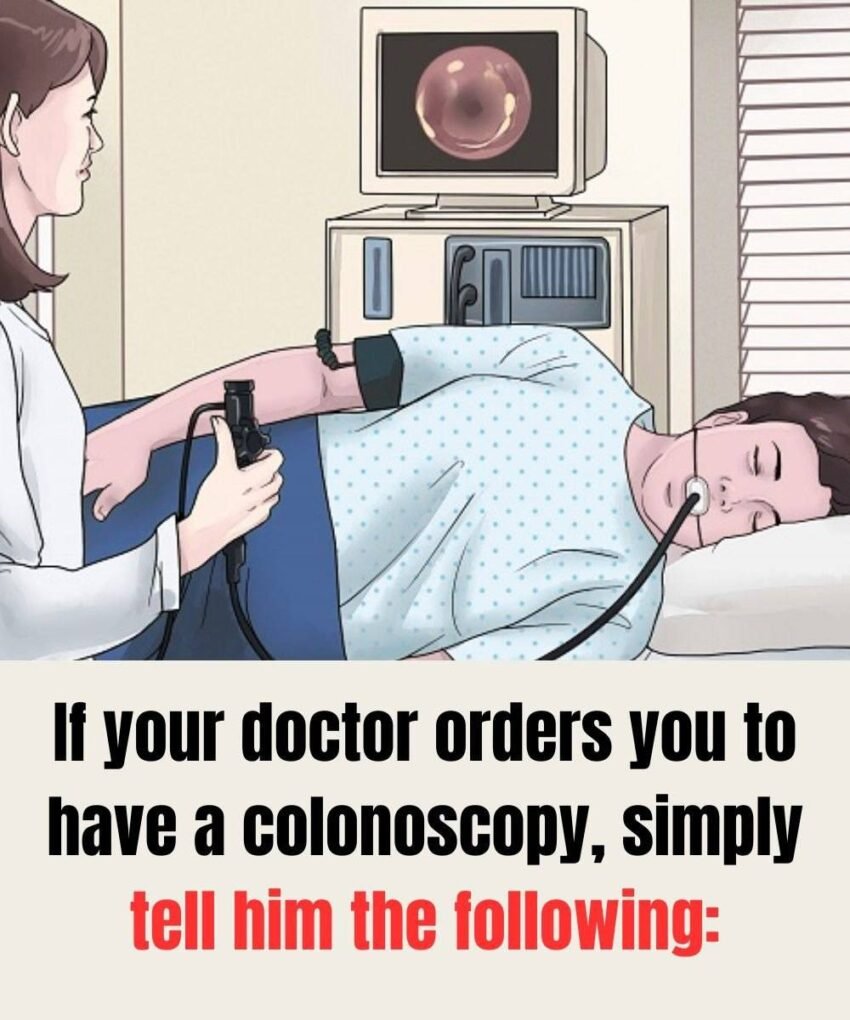
A colonoscopy is a significant medical procedure, and being an informed patient leads to better outcomes and less anxiety.
Here are the key questions you should ask your doctor before your colonoscopy, categorized from essential to highly recommended.
The #1 Most Important Question:
“What is my personal risk level for colorectal cancer, and what are you specifically looking for based on my family history, personal medical history, and symptoms?”
-
Why it’s key: This frames the entire procedure around you. It ensures the exam is tailored to your risks (e.g., looking for pre-cancerous polyps vs. investigating Crohn’s disease).
Essential Pre-Procedure Questions:
About the Prep (The most challenging part for many):
-
“What is the exact preparation protocol, and are there options?” (Some preps are lower volume or split-dose. Find one you can tolerate).
-
“What happens if I can’t keep the prep down or don’t finish it?” (This is crucial—an incomplete prep can lead to a missed lesion or a cancelled procedure).
-
“What clear liquids/broths are allowed, and can I have them until when?” (Prevent dehydration and hunger).
About the Procedure & Safety:
4. “Who will be performing the colonoscopy, and what is their adenoma detection rate (ADR)?” (ADR is a key quality measure—the percentage of patients in whom a doctor finds at least one precancerous polyp. Higher is better).
5. “What type of sedation will I receive, and will there be a dedicated anesthesia professional monitoring me?” (Understand if it’s moderate sedation or deep propofol sedation).
6. “What are the specific risks for someone with my health conditions?” (e.g., risks related to diabetes, heart conditions, or blood thinners).
Highly Recommended Strategic Questions:
About Findings & Follow-up:
7. “If you find a polyp, what will you do?” (Most are removed and biopsied during the procedure. This is called a polypectomy).
8. “How and when will I get the results? Will you show me pictures?” (Sets expectations for follow-up).
9. “Based on the findings, when will I need my next colonoscopy?” (This determines your surveillance interval—could be 10 years, 5 years, 3 years, or sooner).
Logistics & Recovery:
10. “What medications (especially blood thinners, diabetes meds, supplements) do I need to stop, and for how long?” (Get this list in writing).
11. “What are the explicit plans for my ride home? Why is it mandatory?” (Sedation impairs judgment; you cannot drive, take a taxi/rideshare alone, or leave unaccompanied).
12. “What are normal vs. warning signs after the procedure?” (e.g., normal: mild gas pains; warning: severe pain, fever, persistent bleeding).
The “Gold Standard” Question for the Doctor:
“Do you use high-definition white light endoscopy and chromoendoscopy (virtual or dye-spray) to enhance polyp detection, especially for flat lesions?”
-
Why it’s advanced: This shows you’re informed about the latest technology. HD equipment and contrast techniques significantly improve the detection of subtle, flat polyps that are easily missed.
Action Steps After Your Consultation:
-
Get the instructions in writing.
-
Ensure your driver is confirmed.
-
Clarify billing: Ask what you will owe for the facility, doctor, and anesthesia.
Asking these questions transforms you from a passive patient into an active partner in your healthcare. It ensures you are physically prepared, logistically ready, and mentally confident going into the procedure.
Remember: The only bad question is the one you don’t ask. Your doctor expects and should welcome these questions.