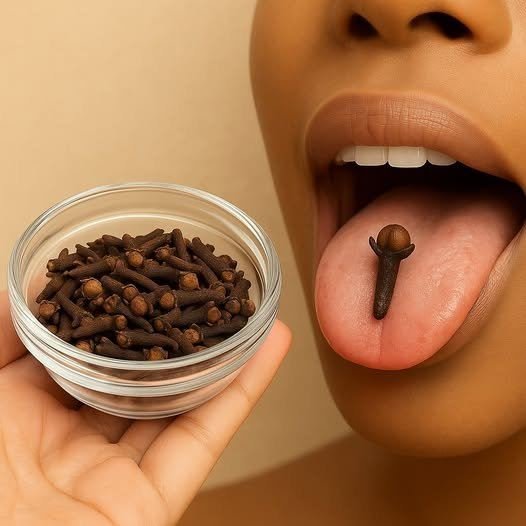
Chewing one or two whole cloves daily is a traditional practice in many cultures, linked to several potential health benefits due to cloves’ rich phytochemical profile. However, it’s crucial to separate evidence-based benefits from folklore and understand the significant cautions.
Here’s a balanced look at the potential benefits and important risks of chewing cloves daily.
Reported Benefits (Some Backed by Science)
-
Oral Health & Fresh Breath:
-
Antibacterial & Analgesic: Cloves contain eugenol, a potent compound with proven antibacterial and mild anesthetic properties. It can help combat oral bacteria, reduce plaque, and temporarily soothe tooth or gum pain (hence its use in dental products).
-
Natural Breath Freshener: Their strong, spicy aroma can neutralize bad breath.
-
-
Antioxidant Powerhouse:
-
Cloves have one of the highest measured antioxidant capacities of any spice. Antioxidants help combat oxidative stress and cellular damage linked to chronic diseases.
-
-
Digestive Aid:
-
In traditional medicine, cloves are used to stimulate digestive enzyme secretion, reduce gas, bloating, and nausea. Chewing a clove before a meal may act as a carminative.
-
-
Anti-Inflammatory Effects:
-
Eugenol also has anti-inflammatory properties, which may theoretically help with systemic inflammation, though chewing a clove daily’s impact is likely minor.
-
-
Blood Sugar Regulation:
-
Some preliminary studies (mostly in animals and test tubes) suggest clove compounds may improve insulin sensitivity and slow carbohydrate digestion. Human evidence is lacking to recommend it for diabetes management.
-
Significant Risks & Cautions (Do Not Ignore)
-
Tissue Damage: Eugenol is potent. Chewing whole cloves directly releases concentrated eugenol, which can irritate and even damage soft tissues in the mouth (gums, tongue, inner cheeks) and can damage tooth enamel with frequent, direct contact.
-
Allergic Reaction: Possible in some individuals.
-
Blood Thinning: High doses of eugenol may act as a blood thinner. This is a serious risk for individuals on anticoagulant medications (like warfarin, aspirin) or before surgery.
-
Drug Interactions: May interact with diabetes medications (potentially causing hypoglycemia) and other drugs metabolized by the liver.
-
Essential Oil Toxicity: Never chew pure clove oil. Even a few drops can be toxic, causing throat burning, seizures, or liver damage.
-
Not for Children: Presents a choking hazard and their systems are more sensitive.
Medical & Practical Verdict
For most people, chewing a daily whole clove is not recommended as a routine health habit due to the risks of mucosal damage and drug interactions.
Safer Alternatives to Gain Benefits:
-
For Oral Health: Use a diluted clove mouthwash (steep 1-2 cloves in hot water, cool, and swish) or toothpaste containing clove/eugenol. This avoids direct, prolonged tissue contact.
-
As a Spice: Incorporate ground cloves into your cooking (curries, baked goods, teas). This provides the beneficial compounds in a much safer, diluted form.
-
Clove Tea: Steeping 1-2 cloves in hot water to make a tea is gentler than direct chewing.
Bottom Line
While cloves have impressive medicinal compounds, the “tiny habit” of chewing them daily carries disproportionate risks. The potential benefits for oral health and digestion can be gained more safely through moderated use in food, tea, or oral hygiene products.
Always consult your doctor before making any daily medicinal use of an herb or spice, especially if you have health conditions or take medications.