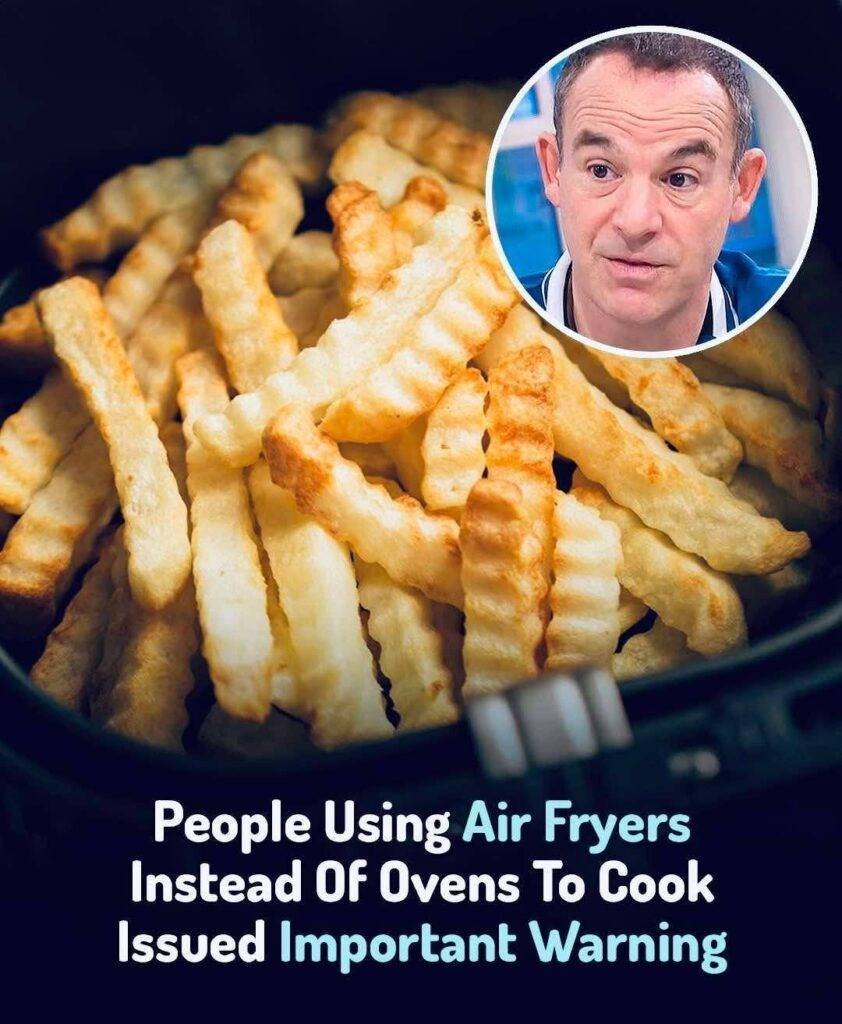
The caution against using air fryers as complete oven replacements stems from several important considerations. Here’s a breakdown of why experts give this advice and how to use air fryers intelligently.
Key Reasons for Caution:
1. Capacity and Batch Cooking:
-
Air Fryers: Are essentially small, powerful convection ovens. Their main limitation is size. Cooking for a family often means cooking in multiple, time-consuming batches, which can negate the time-saving benefit.
-
Ovens: Are indispensable for large roasts, whole chickens, big casseroles, or baking multiple sheets of cookies at once.
2. Texture and Cooking Method Limitations:
-
“Frying” is a Misnomer: While great for achieving a crispy exterior on frozen foods, wings, or roasted veggies, they cannot replicate the true submersion-frying of deep fryers for items like battered fish.
-
Baking Challenges: They can struggle with delicate baked goods that require a gentle, even rise (like soufflés, layer cakes, or fine pastries). The compact space and powerful, close-up fan can cause uneven browning or disturb the structure.
-
Wet Foods: Foods with loose wet batters (like tempura or pancake) will make a mess, as the batter drips and blows around.
3. Health Nuances (The “Health Halo” Effect):
-
Reduced Oil, Not “Health Food”: Air fryers excel at making traditionally fried foods with significantly less oil, which is a positive change. However, “air-fried” versions of ultra-processed foods (like fries, nuggets, etc.) are still less healthy than whole, minimally processed foods cooked in any appliance.
-
Potential for Acrylamide: Like any high-heat cooking method (oven frying, roasting, deep-frying), cooking starchy foods (potatoes, breaded items) at very high temperatures can produce acrylamide, a potential carcinogen. The risk isn’t unique to air fryers but is a factor in any crispy-cooking method.
4. Material and Chemical Concerns:
-
Non-Stick Coatings: Most air fryer baskets use non-stick coatings (like PTFE/Teflon). If overheated or scratched, these can degrade and release potentially harmful fumes or particles. Using metal utensils or abrasive cleaners increases this risk.
-
Plastic Components: Some models have plastic parts near heating elements, raising concerns about plasticizers leaching into food, especially with high-fat foods.
So, What’s the Expert Recommendation?
Experts don’t say “don’t use air fryers.” Instead, they advocate for using them as a complementary kitchen tool, not an oven replacement. Think of them as a highly efficient countertop convection oven for specific tasks.
Smart Usage Guidelines:
-
Use an Air Fryer For:
-
Small-batch, crispy foods: Frozen apps, french fries, roasted veggies, chicken wings, tofu cubes.
-
Reheating leftovers: Revives pizza, fried chicken, and fries far better than a microwave.
-
Quick side dishes: Cooking bacon, toasting nuts, or roasting a single serving of vegetables.
-
Energy efficiency: For small items, it heats up faster and uses less energy than a full-sized oven.
-
-
Use Your Oven For:
-
Large meals: Whole chickens, large cuts of meat, big family-sized casseroles.
-
Delicate baking: Cakes, pastries, breads, merengues.
-
Multi-rack cooking: Baking several trays of cookies or sheet-pan meals.
-
The Bottom Line:
The air fryer is a fantastic tool for efficiency and achieving a crispy texture with less oil. However, it is not a magic bullet for health nor a complete substitute for a traditional oven’s versatility and capacity.
Best Practice: Integrate it into your kitchen alongside your oven and stove. Use it for tasks it excels at, which will save time and energy, but rely on your oven for larger, more delicate, or wet-based cooking tasks. Always follow the manufacturer’s instructions, avoid overheating, and use non-abrasive tools to maintain the basket’s coating.