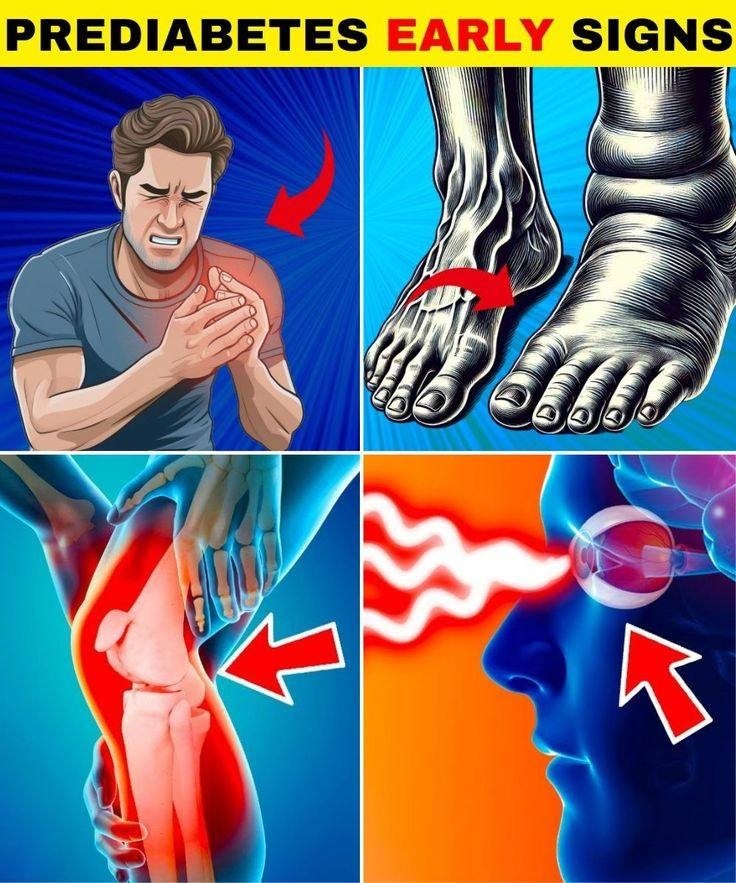
Prediabetes is a reversible condition where blood sugar levels are higher than normal but not yet high enough for a type 2 diabetes diagnosis. Awareness is the first step to prevention.
Here is a comprehensive guide on the 12 signs, detection, and control of prediabetes.
12 Signs You May Have Prediabetes
Often called a “silent” condition, prediabetes may have no obvious symptoms. However, some subtle signs can appear, especially as blood sugar levels fluctuate.
-
Increased Thirst and Frequent Urination: Excess sugar in your bloodstream pulls fluid from tissues, making you thirsty, leading to more trips to the bathroom.
-
Fatigue or Low Energy: Your body’s inability to use glucose efficiently for energy can leave you feeling persistently tired.
-
Blurred Vision: High blood sugar can cause fluid to shift into the lens of your eye, temporarily affecting its ability to focus.
-
Slow-Healing Sores or Cuts: Elevated blood sugar can impair blood circulation and the body’s natural healing process.
-
Recurrent Infections: Yeast infections (in both men and women), frequent skin infections, or gum disease can be linked to higher glucose levels.
-
Darkened Skin Patches (Acanthosis Nigricans): A key visible sign—velvety, dark patches of skin, often on the neck, armpits, or groin. This indicates insulin resistance.
-
Increased Hunger (Polyphagia): Despite eating, if your cells aren’t getting the glucose they need, your body may signal for more food.
-
Unexplained Weight Gain or Difficulty Losing Weight: Insulin resistance can make weight management very challenging.
-
Tingling or Numbness in Hands/Feet: Early nerve damage (neuropathy) from elevated blood sugar can cause this sensation.
-
Patches of Itchy Skin: Sometimes caused by poor circulation or early yeast overgrowth on the skin.
-
Mood Changes or Irritability: Blood sugar swings can significantly impact mood and lead to feelings of irritability or anxiety.
-
No Symptoms at All: This is the most common scenario. Many people with prediabetes feel perfectly fine, which is why screening is essential.
Important: If you notice several of these signs, especially #6 (darkened skin), it’s important to see a doctor.
How to Detect It
Prediabetes can only be diagnosed through a blood test ordered by your healthcare provider.
-
Hemoglobin A1c Test:
-
Measures your average blood sugar level over the past 2-3 months.
-
Diagnosis:
-
Normal: Below 5.7%
-
Prediabetes: 5.7% to 6.4%
-
Diabetes: 6.5% or higher
-
-
-
Fasting Plasma Glucose (FPG) Test:
-
Measures blood sugar after an overnight fast.
-
Diagnosis:
-
Normal: Less than 100 mg/dL
-
Prediabetes: 100 to 125 mg/dL
-
Diabetes: 126 mg/dL or higher
-
-
-
Oral Glucose Tolerance Test (OGTT):
-
Measures blood sugar before and 2 hours after drinking a sugary liquid.
-
Diagnosis (2-hour value):
-
Normal: Less than 140 mg/dL
-
Prediabetes: 140 to 199 mg/dL
-
Diabetes: 200 mg/dL or higher
-
-
Who Should Get Tested? The CDC recommends testing for adults who are overweight (BMI ≥25) and have an additional risk factor (like high blood pressure, physical inactivity, family history of diabetes, etc.). For all adults over 35, routine screening is advised.
How to Control It (And Even Reverse It)
Prediabetes is a warning sign, not a destination. You can take control with proven lifestyle changes.
-
Lose a Modest Amount of Weight: Losing just 5-7% of your body weight (e.g., 10-14 lbs for a 200 lb person) can dramatically reduce diabetes risk.
-
Move More: Aim for at least 150 minutes of moderate-intensity exercise per week (e.g., brisk walking). Include muscle-strengthening activities 2 days a week.
-
Adopt a Balanced, Fiber-Rich Diet:
-
Focus on: Non-starchy vegetables, whole fruits, whole grains (oats, quinoa), lean proteins, and healthy fats.
-
Limit: Refined carbs (white bread, pasta, pastries), sugary drinks, and processed foods.
-
Control Portions: Use the plate method—½ plate vegetables, ¼ plate lean protein, ¼ plate whole grains.
-
-
Stay Hydrated: Drink water instead of sugary beverages.
-
Prioritize Sleep & Manage Stress: Poor sleep and chronic stress can raise cortisol levels, worsening insulin resistance. Aim for 7-9 hours of quality sleep and practice stress-reduction techniques (mindfulness, meditation, yoga).
-
Quit Smoking: Smoking increases insulin resistance and the risk of diabetes complications.
-
Follow Up with Your Doctor: Get regular check-ups to monitor your progress. In some cases, doctors may prescribe medication like metformin for high-risk individuals.
The Most Important Message: A prediabetes diagnosis is a powerful opportunity to change your health trajectory. Through consistent, sustainable lifestyle changes, you can prevent or delay the onset of type 2 diabetes and protect your long-term health.
Disclaimer: This information is for educational purposes. Always consult with a healthcare professional for personal medical advice, diagnosis, and treatment.