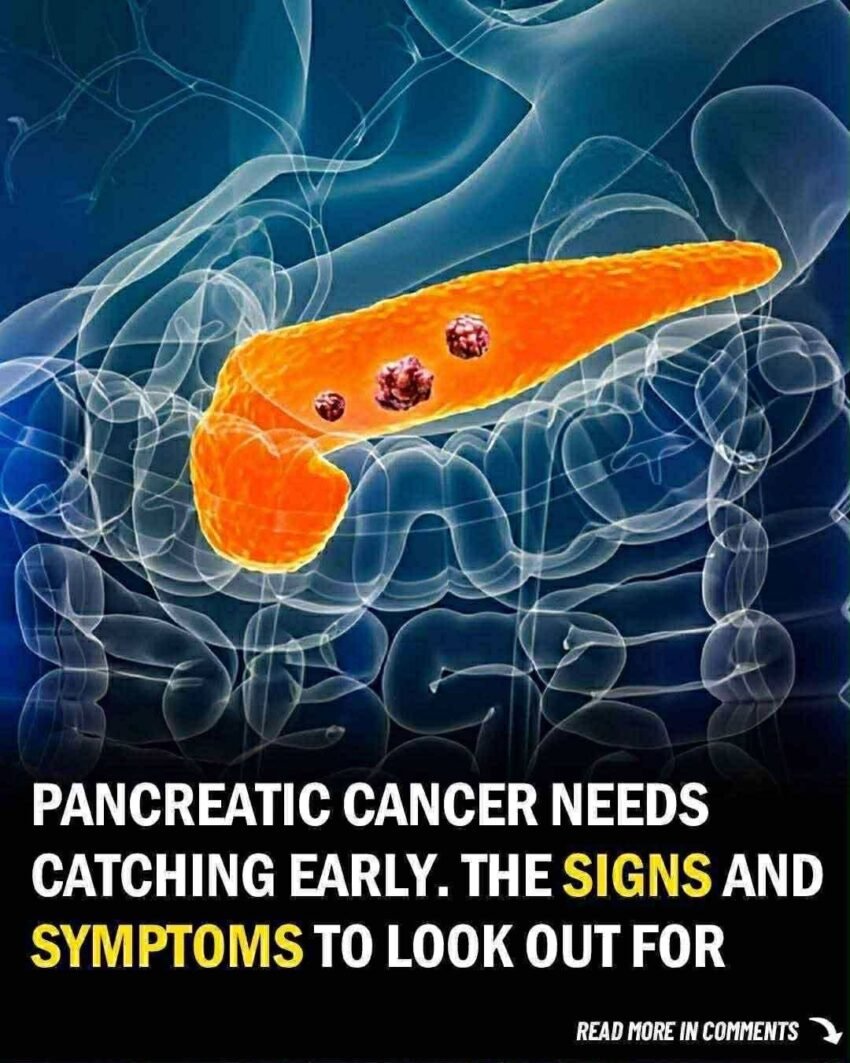
Pancreatic cancer is often called a “silent disease” because symptoms frequently don’t appear until the cancer is advanced. However, being aware of the possible early signs can be life-saving. It’s crucial to remember that these symptoms are much more commonly caused by conditions other than pancreatic cancer. But if they are new, persistent, or worsening, you should see a doctor for evaluation.
Here are the key signs of pancreatic cancer you should never ignore:
1. Jaundice (Yellowing of the Skin and Eyes)
-
What it is: The most recognizable sign. It occurs when a tumor in the head of the pancreas blocks the bile duct.
-
Other clues: Jaundice is often accompanied by dark urine (tea or cola-colored), light-colored, greasy, or floating stools, and itchy skin.
2. New-Onset or Worsening Diabetes
-
What it is: Pancreatic cancer can interfere with the pancreas’s ability to produce insulin, leading to diabetes. This is particularly concerning in someone over age 50 with no family history or risk factors who is suddenly diagnosed with diabetes.
3. Unexplained Weight Loss and Loss of Appetite
-
What it is: Significant, unintentional weight loss is a common symptom of many cancers. With pancreatic cancer, it can be due to the body’s inability to properly digest food (malabsorption) because of a lack of pancreatic enzymes.
4. Abdominal or Mid-Back Pain
-
What it is: A dull, aching pain in the upper abdomen that may radiate to the middle or upper back. It often worsens after eating or when lying down and may improve when leaning forward. This is caused by the tumor pressing on nerves or other organs.
5. Digestive Problems
-
What it includes: Nausea, vomiting, and new, significant indigestion that doesn’t go away with typical remedies. A large tumor can press on the stomach, blocking food from passing.
6. Changes in Stool
-
What it is: Pale, greasy, foul-smelling stools that float (steatorrhea). This happens because the cancer blocks pancreatic enzymes needed to digest fats.
7. Sudden Onset of Fatigue and Weakness
-
What it is: An overwhelming sense of tiredness that isn’t relieved by rest, often coupled with the other symptoms like weight loss.
8. Gallbladder or Liver Enlargement
-
What it is: A blocked bile duct can cause the gallbladder to swell (palpable as a lump under the right ribs). The liver can also become enlarged if the cancer spreads. A doctor can detect this during an exam.
The “Alarm Bell” Combination:
The most telling scenario is a combination of symptoms, such as:
-
Jaundice + weight loss + abdominal pain.
-
New diabetes + digestive issues + back pain.
Who is at Higher Risk?
Knowing the risk factors adds context. They include:
-
Age: Most diagnoses are after age 65.
-
Smoking: Doubles the risk.
-
Chronic pancreatitis: Long-term inflammation of the pancreas.
-
Family history: Of pancreatic cancer or certain genetic syndromes (e.g., BRCA mutations, Lynch syndrome).
-
Obesity and heavy alcohol use.
What to Do If You’re Concerned:
-
Do Not Panic. These symptoms are non-specific and often due to far less serious conditions like gallstones, pancreatitis, or ulcers.
-
Document Your Symptoms. Note when they started, what makes them better or worse, and their frequency.
-
See Your Doctor Promptly. Describe your symptoms clearly and mention any family history of cancer.
-
Advocate for Yourself. If symptoms persist without a clear diagnosis, ask for further investigation. Key tests may include blood tests (like CA19-9 tumor marker, liver function tests), imaging (CT scan, MRI, endoscopic ultrasound), and sometimes a biopsy.
Early detection is challenging but critical. Being informed about these signs empowers you to seek timely medical advice, which offers the best chance for effective treatment.