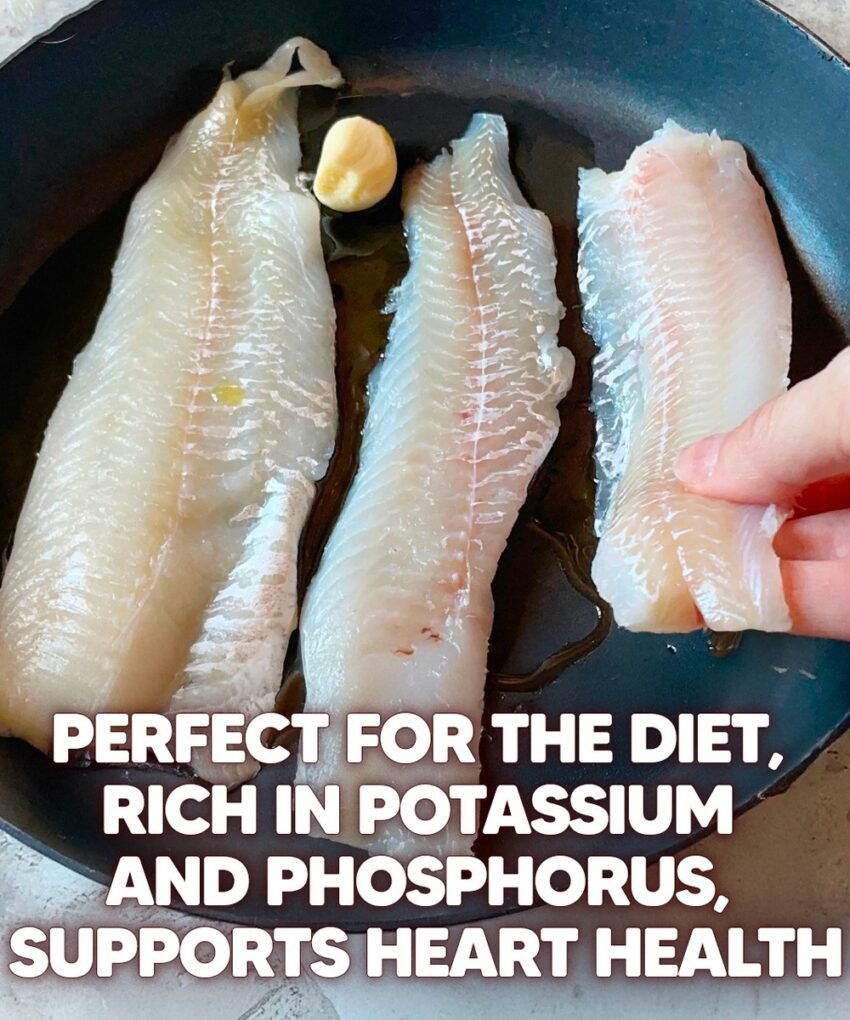
While there isn’t one single “perfect” fish that fits every criteria for every person, the closest contender—and a true superstar for all ages—is wild-caught salmon (especially Alaskan sockeye, pink, or coho).
Here’s a breakdown of why fish like salmon earn this title, and other top contenders for the “perfect fish” crown based on different needs.
The “Perfect” Profile: Why Fish Like Salmon Fit the Bill
1. Rich in Omega-3 Fatty Acids (EPA & DHA):
-
For Babies & Kids: Crucial for brain development, cognitive function, and eye health.
-
For Adults: Fights inflammation, supports heart health (lowers triglycerides, reduces arrhythmia risk), and boosts mood.
-
For Older Adults: Protects brain health, potentially slowing cognitive decline, and supports joint health.
2. Excellent Source of High-Quality Protein:
-
Essential for growth and muscle repair at every age. Easily digestible, making it great for young children and seniors.
3. Packed with Essential Nutrients:
-
Vitamin D: The “sunshine vitamin,” which is hard to get from food. Vital for bone health and immune function.
-
Vitamin B12: Essential for nerve function and blood cell formation.
-
Selenium: A powerful antioxidant that supports thyroid function.
-
Iodine: Critical for thyroid health and metabolism.
-
Astaxanthin: (In salmon) The antioxidant that gives it its pink color; has potent anti-inflammatory effects.
4. Low in Contaminants (When Chosen Wisely):
-
Smaller, shorter-lived fish and those lower on the food chain (like salmon, sardines) accumulate fewer toxins like mercury.
Top Contenders for the “Perfect Fish” Title
| Fish | Why It’s Perfect | Best For |
|---|---|---|
| Wild-Caught Salmon | The all-around champion. High in Omega-3s, protein, Vitamin D, and astaxanthin. Sustainable Alaskan fisheries are a top choice. | All ages. Especially for brain, heart, and overall development. |
| Sardines | The #1 most sustainable and nutrient-dense. Eaten whole (bones included), they provide a massive dose of Omega-3s, calcium, and vitamin B12. Low in mercury. | Budget-friendly nutrition. Great for bone health (calcium). Mild flavor can be introduced to kids in mashes. |
| Rainbow Trout (farmed in the US) | Often farmed in freshwater ponds, it’s a sustainable choice with an Omega-3 profile similar to salmon. Mild flavor and tender flesh. | A great “starter fish” for kids and those new to seafood. |
| Atlantic Mackerel (from sustainable fisheries) | Extremely high in Omega-3s. However, choose carefully—some species (like King Mackerel) are high in mercury. North Atlantic Mackerel is a better choice. | Adults looking for maximum Omega-3 intake. |
| Arctic Char | A fantastic alternative to salmon. It has a similar flavor and nutrient profile but is often farmed in environmentally sound, closed systems. | Those wanting a salmon-like experience with a slightly milder taste. |
Critical Considerations for All Ages
-
For Infants & Pregnant/Nursing Women: Focus on low-mercury, high-Omega-3 fish. Salmon, sardines, and trout are perfect. Follow FDA guidelines on serving sizes.
-
Sustainability: Choose fish with healthy populations. Look for certifications from the Marine Stewardship Council (MSC) or Aquaculture Stewardship Council (ASC), or use the Seafood Watch guide.
-
Preparation Matters: Baking, steaming, grilling, or poaching preserves nutrients better than deep-frying.
-
Mercury Awareness: Generally, avoid large, predatory, long-lived fish like shark, swordfish, king mackerel, and tilefish, especially for children and pregnant women.
Final Verdict
If we had to crown one, wild-caught Alaskan salmon and sardines tie for the title. Salmon wins for its universal appeal and complete nutrient package, while sardines win for ultimate sustainability, affordability, and off-the-charts nutrient density with minimal environmental impact.
In short, the “perfect fish” is one that is:
-
Rich in Omega-3s
-
Low in contaminants
-
Sustainable
-
Enjoyable to eat at your life stage
Incorporating 2-3 servings of these fish per week is one of the best nutritional investments you can make for a lifetime of health.