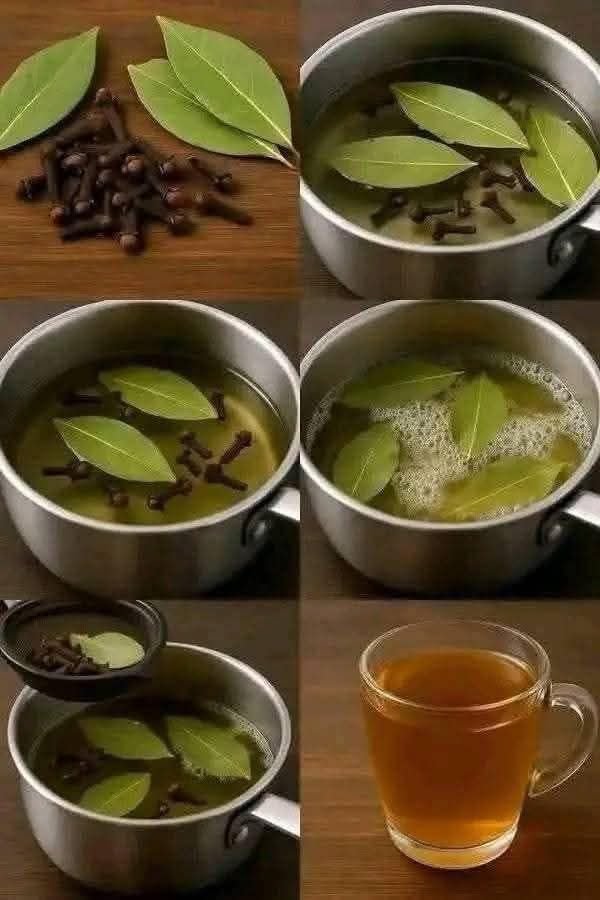
Bay leaf and clove tea is a potent, aromatic, and medicinal herbal infusion with a long history in traditional medicine systems like Ayurveda and European herbalism. It’s a powerful blend for both wellness and comfort.
Here’s your complete guide to making and understanding this herbal tea.
Flavor & Aroma Profile
Expect a warming, slightly spicy, and deeply aromatic cup with woody, sweet, and bittersweet notes from the bay leaf, balanced by the intense, pungent warmth of clove.
Health Benefits & Traditional Uses
This tea is prized more for its therapeutic properties than its taste (which is pleasant but strong).
Bay Leaf (Laurus nobilis):
-
Digestive Aid: Helps relieve gas, bloating, and indigestion. Stimulates appetite.
-
Anti-inflammatory: Contains compounds like parthenolide (also in feverfew).
-
Respiratory Support: Its aroma can help clear congestion.
-
Blood Sugar & Cholesterol: Some studies suggest it may help improve insulin function and lower bad cholesterol.
-
Rich in Antioxidants: Fights oxidative stress.
Clove (Syzygium aromaticum):
-
Potent Analgesic & Antiseptic: The compound eugenol numbs tissue and fights bacteria, making it famous for toothache relief.
-
Anti-inflammatory & Antioxidant: Extremely high ORAC (Oxygen Radical Absorbance Capacity) value.
-
Digestive Aid: Relieves nausea, gas, and stomach spasms.
-
Immune Support: Antimicrobial properties may help fight infections.
Together, they make a tea traditionally used for:
-
Aiding digestion after a heavy meal
-
Soothing a sore throat or cough
-
Providing warming relief during colds
-
Reducing inflammation
-
Offering a caffeine-free energy boost
Basic Tea Recipe
Ingredients:
-
2-3 whole, dried bay leaves (preferably culinary/Turkish bay leaves, not ornamental)
-
3-4 whole cloves
-
2 cups water (about 500 ml)
-
Optional: Honey, lemon slice, cinnamon stick, a pinch of grated ginger, or a dash of black pepper to enhance warmth and absorption.
Instructions:
-
Crush Lightly: Gently crush the bay leaves and cloves in a mortar & pestle or with the back of a spoon to release their oils. Do not pulverize into a powder.
-
Simmer, Don’t Just Steep: This is key for unlocking the benefits. Place the crushed herbs in a small saucepan with the water. Bring to a boil, then reduce heat, cover, and let it simmer gently for 10-15 minutes. The longer you simmer, the stronger and more medicinal the brew.
-
Strain & Serve: Strain the tea into a cup. Add honey or lemon if desired.
Method 2 (Quick Steep): If short on time, pour boiling water over the crushed herbs in a mug, cover, and steep for 10-15 minutes. Simmering is more effective.
Important Cautions & Contraindications
-
Bay Leaf Type: Use only culinary bay leaves (Laurus nobilis). Other varieties like California, mountain, or ornamental laurel can be toxic.
-
Do Not Eat the Leaves/Cloves: Bay leaves remain rigid and can pose a choking hazard or cause intestinal punctures or blockages if swallowed whole. Always strain thoroughly. Cloves are very hard and unpleasant to chew.
-
Pregnancy & Breastfeeding: Avoid. Both herbs are emmenagogues (can stimulate menstrual flow) and their safety isn’t established.
-
Surgery & Blood Thinners: Clove oil (eugenol) can slow blood clotting. Discontinue use at least 2 weeks before surgery. Consult your doctor if on blood thinners (e.g., warfarin).
-
Medication Interactions: May interact with diabetes and blood pressure medications due to their potential blood sugar and blood pressure-lowering effects. Consult your healthcare provider.
-
Dosage: This is a potent tea. Limit to 1-2 cups per day for short-term use (e.g., 1-2 weeks). It is not meant for daily, long-term consumption.
Creative Variations
-
Cold & Flu Warrior: Add fresh ginger slices, a cinnamon stick, and a squeeze of lemon.
-
Digestive Bitters: Add a pinch of fennel seeds and mint.
-
Spiced Chai-Inspired: Brew with a black tea bag, a cardamom pod, and milk for a unique chai.
Final Recommendation
Bay leaf and clove tea is a powerful herbal remedy best used intentionally for specific wellness goals (like aiding digestion or soothing a cold), not as a daily casual drink. Always source high-quality, culinary-grade ingredients, and respect its potency.
Enjoy its deep warmth and aromatic complexity responsibly