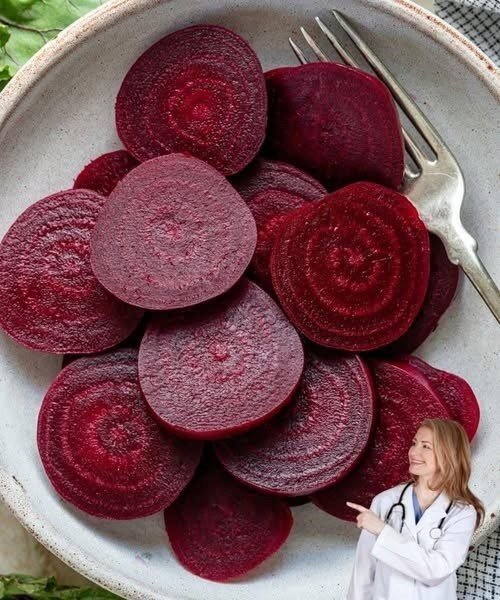
Doctors and nutrition researchers reveal that eating beets is linked to significant and diverse health benefits for most people. Beets are a nutritional powerhouse, and their unique compounds are studied for their therapeutic effects.
Here’s what the science actually says about what eating beets regularly “causes”:
✅ Evidence-Based Benefits (The Positive “Causes”):
-
Lowers Blood Pressure: This is one of the most well-documented effects. Beets are rich in dietary nitrates, which the body converts into nitric oxide. Nitric oxide relaxes and dilates blood vessels, improving blood flow and lowering blood pressure, often within hours of consumption.
-
Improves Exercise Performance & Stamina: The nitric oxide boost also enhances oxygen delivery to muscles, reduces the oxygen cost of exercise, and can improve endurance and time to exhaustion. This is why beetroot juice is popular among athletes.
-
Powerful Anti-Inflammatory & Antioxidant Effects: Beets contain pigments called betalains (which give them their vibrant red color). These are potent antioxidants and anti-inflammatories that help protect cells from damage and may reduce the risk of chronic diseases.
-
Supports Brain Health: Improved blood flow from nitric oxide benefits the brain, potentially enhancing cognitive function and slowing age-related decline. Some studies suggest improved reaction time and blood flow to the frontal lobe after beet consumption.
-
Promotes Digestive Health: Beets are a good source of fiber, which supports gut motility, feeds beneficial gut bacteria, and helps prevent constipation.
-
May Support Detoxification: Compounds in beets are thought to support phase 2 liver detoxification, helping the body process and eliminate toxins.
⚠️ The Benign (or Temporary) “Side Effects” (What Clickbait Might Hint At):
These are not harmful but are worth knowing:
-
Beeturia (Red/Pink Urine & Stool): About 10-15% of people experience this harmless condition where betalain pigments are not broken down and are excreted, giving urine and stool a reddish hue. It’s not dangerous but can be alarming if unexpected.
-
Kidney Stone Risk (For Susceptible Individuals): Beets are high in oxalates. For people prone to calcium-oxalate kidney stones, high beet consumption may increase risk. Most people don’t need to worry.
-
FODMAP Content: Beets contain fructans, a type of FODMAP that can cause gas, bloating, and digestive discomfort in individuals with IBS or FODMAP sensitivity.
-
Blood Sugar Spike (When Juiced): Whole beets have fiber that blunts the glycemic response. However, beet juice is concentrated in sugar without the fiber, which can cause a rapid rise in blood sugar if consumed in large quantities, especially for people with diabetes.
The Doctor’s Verdict & Practical Advice:
For the vast majority, eating beets “causes” impressive cardiovascular, cognitive, and athletic benefits. They are a highly recommended addition to a balanced diet.
How to Enjoy Them Safely & Effectively:
-
Start Slow: If new to beets, introduce them gradually to assess digestive tolerance.
-
Eat Whole: Roast, steam, or grate them to retain fiber and prevent blood sugar spikes.
-
Stay Hydrated: Especially if you have a history of kidney stones.
-
Don’t Panic at Pink: Remember beeturia is harmless.
-
Consult Your Doctor if: You have kidney stones, are on blood pressure medication (as beets can enhance the effect), or have severe IBS.
Conclusion: The sensationalized headline is misleading. Eating beets is overwhelmingly positive. The temporary, colorful side effect (beeturia) is harmless, and the more serious cautions (oxalates, FODMAPs) only apply to specific at-risk groups. Enjoy this vibrant root vegetable for its proven health boosts.