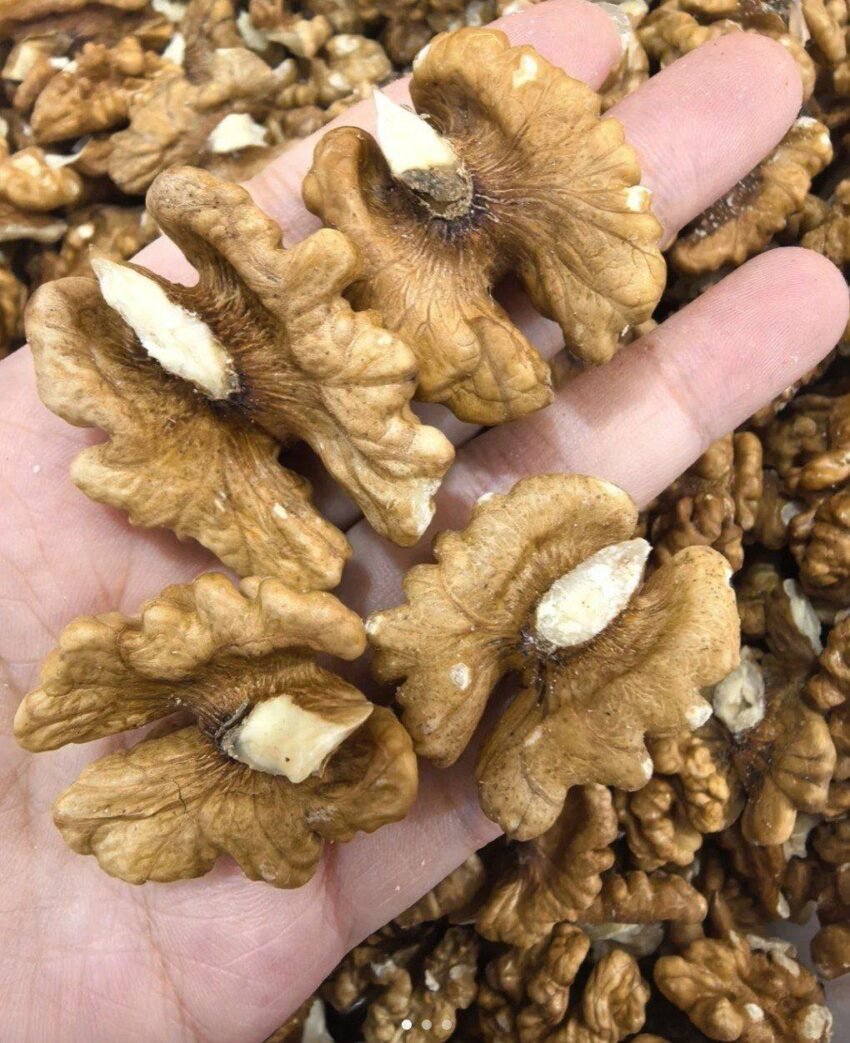
It’s important to clarify that doctors and nutrition researchers generally reveal that eating walnuts is linked to significant health benefits, not harms, when consumed as part of a balanced diet.
Here’s what credible scientific studies and health institutions actually say:
Health Benefits Linked to Walnuts:
-
Heart Health: Walnuts are rich in omega-3 fatty acids (ALA), antioxidants, and plant sterols. Regular consumption is shown to improve cholesterol levels, reduce inflammation, and support healthy blood pressure, lowering the risk of cardiovascular disease.
-
Brain Health: The omega-3s, antioxidants, and vitamin E in walnuts may help protect brain cells from oxidative stress and inflammation, potentially improving cognitive function and slowing age-related decline.
-
Gut Health: Walnuts act as a prebiotic, feeding beneficial gut bacteria. A healthier gut microbiome is linked to improved digestion, immunity, and even mood.
-
Weight Management: Despite being calorie-dense, the healthy fats, protein, and fiber in walnuts promote satiety. Studies suggest they can help control appetite and may support healthy weight management when eaten in moderation.
-
Anti-Cancer Properties: Some population studies have observed a link between nut consumption (including walnuts) and a reduced risk of certain cancers, like breast and colorectal cancer, likely due to their potent antioxidant profile.
Important Considerations (The “Causes” Part Might Refer To This):
Any food can have downsides if consumed improperly. The headlines might be referring to these rare or situational issues:
-
Allergies: Walnuts are a common tree nut allergen.
-
Digestive Issues: Eating a very large amount suddenly (due to high fiber and fat) can cause bloating or diarrhea for some.
-
Calorie Density: Overeating walnuts regularly without accounting for their calories could contribute to weight gain. A standard serving is about 1 ounce or a small handful (roughly 14 halves).
-
Drug Interaction: Very high intake of walnuts (due to their vitamin K content) could theoretically interact with blood thinners like warfarin, but this is typically only a concern with excessive amounts.
The Bottom Line:
Reputable health organizations like the American Heart Association and the FDA (which has a qualified health claim for walnuts and heart disease) recommend including walnuts in your diet.
Conclusion: The clickbait headline “Doctors reveal that eating walnuts causes…” is misleading. Evidence overwhelmingly shows that moderate walnut consumption causes health benefits. As with any food, moderation is key, and individuals with specific allergies or conditions should consult their doctor.
Always look for information from peer-reviewed scientific journals or trusted health institutions rather than sensationalized headlines.