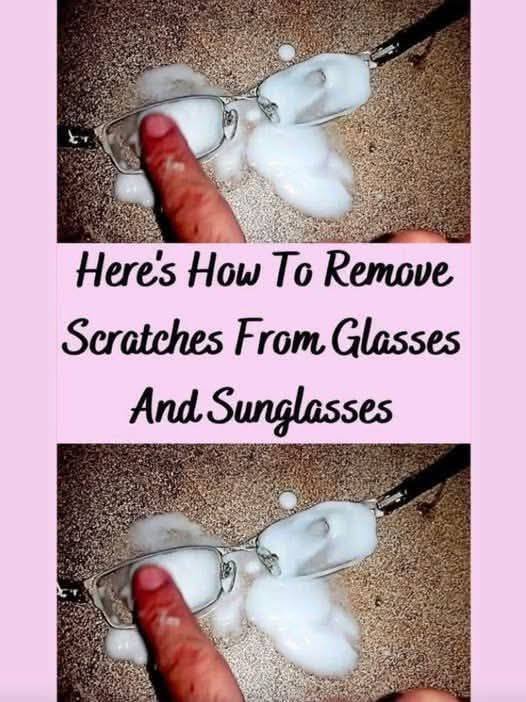
Repairing scratched glasses is a common concern, but it’s crucial to set the right expectation: You cannot truly “repair” or remove a scratch from a lens. A scratch is a permanent removal of material from the lens coating or the plastic/glass itself. However, you can make scratches less visible and prevent new ones.
Here are 5 practical methods, from temporary fixes to permanent solutions, ranked by effectiveness.
1. The Prevention & Maintenance Method (Most Effective)
The best “repair” is avoiding scratches in the first place.
-
Always use a microfiber cloth (provided with your glasses) to clean lenses. Never use tissue, paper towels, or your clothing.
-
Rinse lenses under lukewarm water first to remove dust and grit before wiping.
-
Store glasses in a hard case when not in use, never loose in a bag or on a table.
-
Use lens cleaner or a drop of dish soap with water for cleaning; avoid harsh chemicals like ammonia or window cleaner.
2. The Professional Assessment & Replacement Method (The Only Real Fix)
For deep or numerous scratches that impair vision, this is the only true solution.
-
Contact your optometrist or the place where you purchased the glasses. They can assess if the scratch is only on the anti-reflective coating (sometimes replaceable) or the lens itself.
-
Order new lenses. While this is a cost, it restores perfect vision and safety. Scratches can scatter light and cause eye strain or reduce visual acuity.
3. The Gentle Filling/Polishing Method (For Minor Scratches)
This method can reduce the visibility of very fine, shallow scratches.
-
What to use: A very small amount of a non-abrasive, non-gel toothpaste (plain white paste) or a specialized plastic polish (like those for car headlights or CDs).
-
How to do it:
-
Clean the lens with water and a microfiber cloth.
-
Apply a tiny dab of toothpaste or polish to the scratched area.
-
Using a clean, soft cloth or cotton ball, gently buff in a circular motion for 5-10 seconds.
-
Rinse thoroughly with water and dry with a microfiber cloth.
-
-
⚠️ Critical Warning: This method is risky. It can further damage coatings, create a haze, or alter the lens prescription if done aggressively. Do not use on glasses with special coatings (anti-reflective, blue light) if you want to preserve them.
4. The Wax or Oil Filling Method (A Temporary Visual Trick)
This is a purely cosmetic trick to fill the scratch and temporarily reduce light scattering.
-
What to use: A tiny bit of carnauba wax (like clear shoe polish), vaseline, or even a dry bar of soap.
-
How to do it:
-
Apply a minuscule amount to the scratch.
-
Gently buff it into the scratch with a soft cloth.
-
Wipe away all excess from the surrounding lens.
-
-
Result: This can make the scratch less noticeable for a few hours or a day by filling the gap, but it will wear off and needs frequent reapplication. It does not fix the scratch.
5. The DIY Buffer Method (Not Recommended)
Some online guides suggest using baking soda paste or very fine sandpaper. This is strongly discouraged for eyeglasses, as these abrasive materials will almost certainly destroy the lens coatings and create a permanently cloudy, unusable lens.
📊 Decision Guide: What Should You Do?
| Scratch Severity | Recommended Action | Reason |
|---|---|---|
| Light, hairline scratches not in central vision | Try Method 3 (Gentle Polish) with extreme caution, or simply tolerate it. | May slightly improve cosmetics; risk of making it worse is moderate. |
| Multiple or deep scratches affecting vision | Method 2 (Professional Replacement). | Vision clarity and eye health are paramount. No DIY method will help. |
| Quick fix for an important event | Method 4 (Wax/Oil Fill) as a last resort. | Provides a temporary cosmetic improvement with low risk of further damage. |
| For all glasses, always | Method 1 (Prevention). | The single most effective strategy for lens longevity. |
Final Verdict: If scratches are bothersome, the safest and most effective path is to consult your optician. They can determine if a lens coating warranty applies (some cover scratches within the first year) and provide a professional solution. Investing in scratch-resistant coating on your next pair is highly recommended.
Would you like information on choosing durable lens coatings for your next prescription?