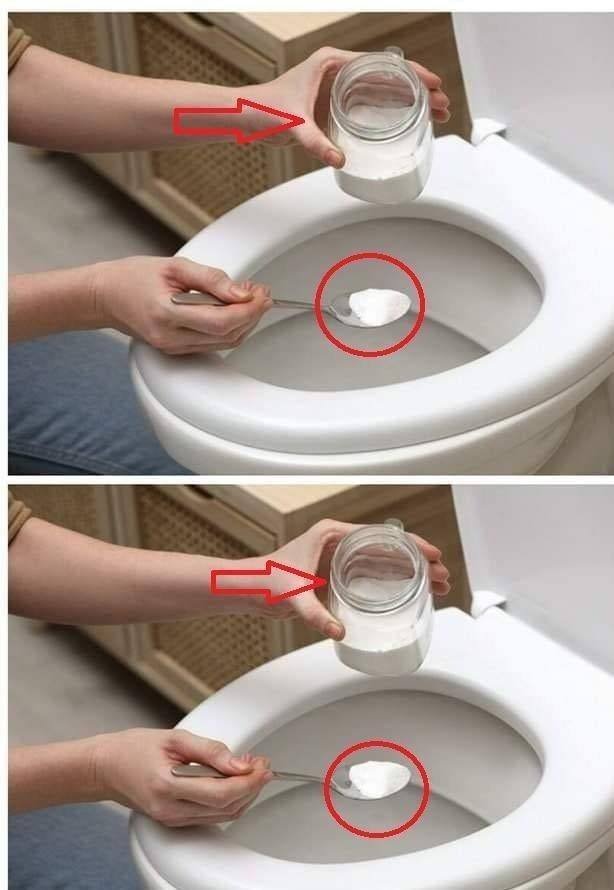
This is a popular folk remedy that’s been passed down for generations. While it’s not a magic solution for every toilet issue, salt can be a helpful, eco-friendly cleaning and deodorizing agent when used correctly. Here’s what it actually does and how to use it wisely.
What Salt Can (and Can’t) Do
✅ What It’s Good For:
-
Gentle Abrasive & Stain Remover: Coarse salt (like kosher or sea salt) acts as a mild scrubbing agent. Mixed with baking soda or vinegar, it can help lift light mineral stains (hard water rings) and grime without scratching porcelain.
-
Natural Deodorizer: Salt can help absorb odors in the bowl.
-
Breaks Down Rust Stains: When combined with lemon juice or vinegar, the chemical reaction can help loosen light rust stains.
-
May Help with Mineral Buildup: The slight abrasion and chemical reaction with acids can soften minor limescale.
❌ What It Won’t Do (Common Myths):
-
Unclog a Toilet: Salt will not dissolve hair, paper, or other physical blockages. For clogs, use a plunger or a closet auger.
-
Fully Disinfect or Kill Germs: Salt has mild antiseptic properties but is not a substitute for disinfectants like bleach or hydrogen peroxide for killing pathogens (e.g., E. coli, viruses).
-
Fix Serious Stains: For heavy, set-in stains (iron, years of limescale), you’ll need stronger commercial cleaners or a pumice stone.
Grandma’s Top “Salt Trick” Recipes
1. For Cleaning & Deodorizing
Ingredients: 1 cup baking soda + ½ cup salt + ½ cup white vinegar
-
Flush the toilet to wet the sides.
-
Sprinkle baking soda and salt around the bowl, especially under the rim and on stains.
-
Pour vinegar over the mixture. It will fizz.
-
Let it sit for 30 minutes to a few hours.
-
Scrub with a toilet brush and flush.
2. For Rust or Hard Water Stains
Ingredients: ¼ cup salt + ¼ cup lemon juice or vinegar
-
Make a paste with the salt and lemon juice/vinegar.
-
Apply paste directly to stains.
-
Let it sit for several hours (or overnight for tough stains).
-
Scrub and flush.
3. For Ongoing Maintenance & Freshness
Weekly: Add ½ cup of salt to the bowl, let sit for 10 minutes, scrub, and flush. Helps prevent new buildup.
⚠️ Important Precautions
-
Don’t Mix Salt with Bleach. This can create toxic chlorine gas. Always flush between using different cleaners.
-
Avoid Overuse on Septic Systems: Excessive salt can harm the bacterial balance in septic tanks. Use sparingly.
-
Not for All Stains: Test a small area first. For colored stains (blue from tank tablets), use a dedicated bowl cleaner.
-
Coarse Salt is Best: Table salt works, but coarser grains provide better scrubbing action.
When to Skip the Salt & Call a Pro
-
Persistent clogs
-
Severe limescale that feels crusty
-
Cracks in the porcelain (salt can irritate cracks)
Bottom Line: Grandma’s salt trick is a great, low-cost maintenance cleaner and mild stain fighter. It’s perfect for weekly upkeep and light stains. For disinfecting or serious problems, pair it with modern solutions. It’s a testament to the clever, resourceful home hacks of the past!