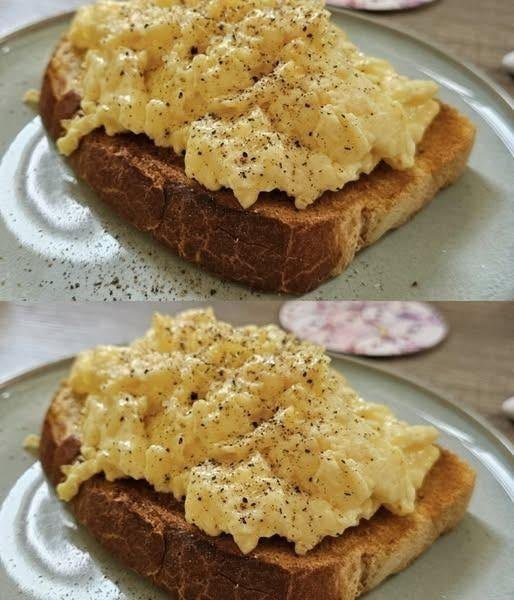
Scrambled eggs seem simple, but the difference between good and transcendent lies in a few key techniques. Here’s a foolproof, step-by-step guide to rich, creamy, and perfectly set scrambled eggs every single time.
The Core Principles for Perfection
-
Low & Slow: The single most important rule. High heat makes eggs rubbery and dry.
-
Fat is Flavor: Butter isn’t just for non-stick; it’s an essential ingredient for taste and texture.
-
Don’t Overwhisk: Whisk just enough to combine yolks and whites. A little unevenness is good.
-
Stop Before They’re Done: Eggs carry over cook. Remove them from the pan while still slightly wet.
Ingredients (Serves 1-2)
-
3 large, fresh eggs
-
1 tablespoon (15g) unsalted butter, cubed
-
1 tablespoon (15ml) whole milk, cream, or crème fraîche (optional, for extra creaminess)
-
Salt and freshly ground black pepper
-
(Optional Add-Ins): Fresh chives, grated cheese, a pinch of smoked paprika.
Equipment
-
A non-stick skillet is the most forgiving choice.
-
A silicon spatula or wooden spoon.
-
A medium bowl and whisk.
Step-by-Step Instructions
1. Prep & Whisk
-
Crack the eggs into a bowl. Add a small pinch of salt now—it helps break down the proteins for a more tender texture.
-
Add your dairy (if using). Whisk gently with a fork or whisk until just combined. You should still see some variation between white and yolk. Do not create a uniform, frothy liquid.
2. The Pan Setup
-
Place your skillet over medium-low heat. Let it get warm, not hot.
-
Add the butter. It should melt gently and foam slightly, but not brown or sizzle violently.
3. The Cook (This is where the magic happens)
-
Pour in the eggs. Let them sit, undisturbed, for about 20-30 seconds until a thin layer begins to set at the bottom.
-
Begin to gently push/fold. Using your spatula, push the set edges toward the center, tilting the pan to let the uncooked egg fill the empty space.
-
Repeat, creating large, soft curds. Continue this slow push-and-tilt motion every 10-15 seconds. You’re not stirring; you’re slowly folding.
4. The Finish (The Most Important Step)
-
When the eggs are about 90% set—still looks wet and shiny with some runny parts—remove the pan from the heat immediately. The residual heat will finish cooking them perfectly.
-
Add any finishing ingredients like cheese or herbs, and a grind of black pepper. Give one final, gentle fold to incorporate.
5. Serve Instantly
-
Transfer to a warm plate immediately. Eggs continue to cook in a hot pan, so speed is key. They should be soft, creamy, and in large, luscious curds.
Pro-Tips for Next Level Eggs
-
For Ultimate Creaminess (French-Style): Continuously stir over very low heat with cold butter cubes added throughout cooking. This creates tiny, custard-like curds.
-
For Fluffier Eggs (American Diner-Style): Add a splash more dairy and whisk more vigorously to incorporate air. Cook over slightly higher heat for slightly firmer curds.
-
The Gordon Ramsay Method: Cook in a saucepan over medium heat, pulling on and off the heat while stirring constantly with a dash of crème fraîche at the end.
-
Never add milk to “stretch” eggs. It’s for texture and flavor, not volume. Too much makes them watery.
-
Warm Your Plate: A cold plate will make your perfect eggs congeal quickly. Run it under hot water and dry it.
Common Mistakes to Avoid
-
❌ High Heat: Creates tough, brown, dry eggs.
-
❌ Over-Whisking: Makes the eggs thin and tough.
-
❌ Overcooking: The #1 mistake. They should look slightly underdone in the pan.
-
❌ Stirring Constantly: Creates tiny, dry curds instead of large, soft ones.
Remember: Perfect scrambled eggs are a study in gentle heat and patience. Master this, and you’ll have a breakfast classic that outshines any fancy dish. Enjoy