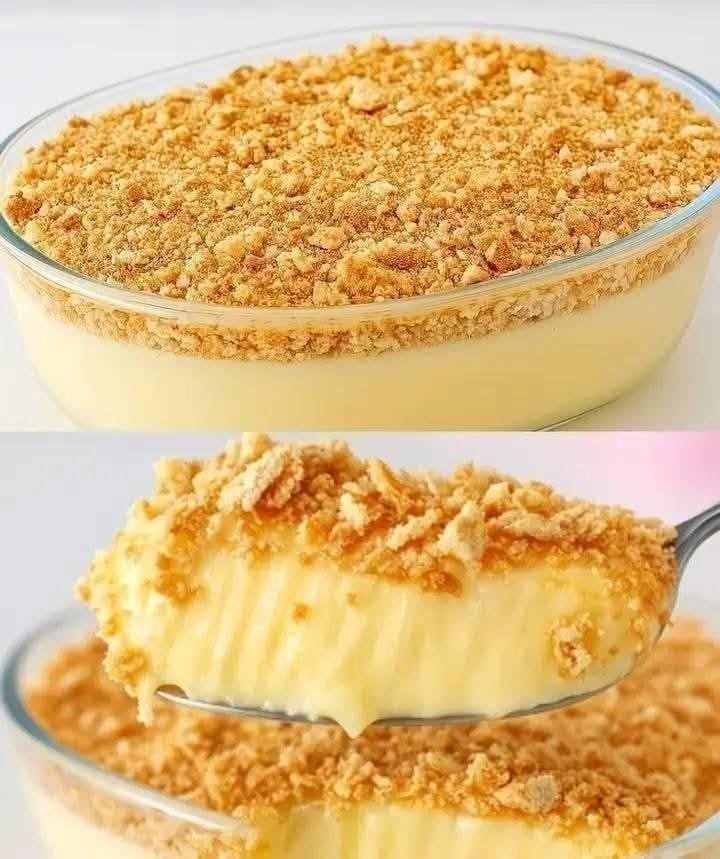
A perfect vanilla custard pudding (or crème renversée/pudding à la vanille) is a study in elegance: silky, wobbly, rich, and infused with the pure essence of vanilla. The secret is in the gentle cooking and the perfect custard set.
Here is a foolproof recipe and technique for a sublime vanilla custard pudding.
The Philosophy
Unlike starch-thickened puddings, this is an egg-custard set with gelatin (or sometimes just eggs). It’s baked in a water bath for an even, tremulous set. The goal is a texture that’s firm enough to unmold, but melts on the tongue.
Recipe: Classic Vanilla Custard Pudding
*(Serves 6-8 in a 4-cup mold or individual ramekins)*
Ingredients
For the Caramel (for the bottom):
-
100g (½ cup) granulated sugar
-
60ml (¼ cup) water, divided
For the Custard:
-
500ml (2 cups + 2 tbsp) whole milk (or half milk, half heavy cream for extra richness)
-
1 real vanilla bean (or 2 tsp high-quality pure vanilla extract/paste)
-
3 large eggs + 2 large egg yolks (yolks add silkiness)
-
100g (½ cup) granulated sugar
-
⅛ tsp fine sea salt
-
5g (1 tsp) powdered gelatin (for a guaranteed perfect unmolding) – optional but recommended
Equipment
-
4-cup (1 liter) pudding mold, charlotte mold, or 6-8 ramekins
-
Fine-mesh sieve
-
Roasting pan or deep baking dish (for the water bath)
Method: The Step-by-Step Secrets
Part 1: The Caramel Layer (The Base)
-
Prep: Have your clean, dry mold ready. Warm it slightly (with hot water) to help the caramel flow.
-
Cook: In a heavy-bottomed saucepan, combine the sugar and just 2 tablespoons of the water. Swirl to moisten. Cook over medium heat without stirring until the sugar dissolves and turns a deep amber color. Swirl the pan for even color.
-
Stop the Cook: As soon as it’s amber, immediately remove from heat and carefully pour in the remaining 2 tablespoons of water (it will sputter!). Swirl until combined into a smooth caramel sauce.
-
Coat the Mold: Quickly pour the hot caramel into the bottom of your mold, swirling to coat the base evenly. Set aside to harden completely.
Part 2: The Custard & Baking
-
Infuse the Milk: In a saucepan, heat the milk (and cream, if using) over medium heat until it just begins to steam and small bubbles form around the edges (do not boil). If using a vanilla bean, split it lengthwise, scrape the seeds into the milk, and add the pod. Cover, remove from heat, and let steep for 20-30 minutes. If using extract, you’ll add it later.
-
Prepare Gelatin (if using): Sprinkle the gelatin over 2 tablespoons of cold water in a small bowl. Let it “bloom” for 5 minutes.
-
Temper the Eggs: In a large bowl, whisk the whole eggs, egg yolks, sugar, and salt until just combined and slightly pale. Do not over-whisk and create foam.
-
Combine: Remove the vanilla bean pod from the warm milk. Gradually, while whisking constantly, pour the warm milk into the egg mixture in a thin stream. This “tempering” prevents scrambled eggs. If using vanilla extract, add it now.
-
Melt & Add Gelatin: Reheat a small ladleful of the custard mixture in the microwave or a pan until hot (not boiling). Whisk in the bloomed gelatin until fully dissolved. Pour this back into the main custard mixture and whisk to combine.
-
Strain: Strain the custard through a fine-mesh sieve into a pouring jug. This removes any cooked egg bits and ensures supreme silkiness.
-
The Water Bath: Place the caramel-coated mold in a deep roasting pan. Fill the pan with hot tap water until it reaches halfway up the sides of the mold.
-
Bake Low & Slow: Carefully pour the custard into the mold. Cover the top of the mold loosely with aluminum foil. Bake in a preheated 325°F (160°C) oven for 45-60 minutes (less for ramekins: 30-40 min). The custard is done when the edges are set but the center still has a slight, gentle wobble—like Jell-O—when you nudge the pan. Overbaking causes bubbles and toughness.
-
Cool & Chill: Remove from the water bath, let cool to room temperature, then cover and refrigerate for at least 6 hours, ideally overnight. This allows the custard to fully set and the flavors to meld.
Part 3: The Grand Unmolding
-
Loosen: Run a thin, sharp knife around the very edge of the custard.
-
The Steam Trick: Fill a bowl or sink with very hot water. Dip the mold into the hot water for 10-15 seconds to melt the caramel layer on the bottom.
-
Flip: Place your serving plate on top of the mold. With confidence, invert it in one smooth motion. Lift the mold away. The caramel sauce will flow over the beautiful, wobbly dome.
Chef’s Secrets for Perfection
-
The Vanilla: A real vanilla bean is transformative. Use the seeds and steep the pod.
-
Temperature Control: Gentle heat at every stage is non-negotiable. Burnt caramel or scrambled eggs ruin the pudding.
-
The Wobble Test: Trust the jiggle, not the clock. It will continue to set as it chills.
-
Silky Texture: Straining and using egg yolks are the guardians of a flawless mouthfeel.
-
No Substitutions: Use full-fat dairy. Low-fat milk will result in a less creamy, less stable pudding.
Troubleshooting & Variations
-
No Caramel? Skip the caramel step and make a pure vanilla custard. Serve with a berry compote.
-
Too Firm/Rubbery: Overcooked or too many eggs/gelatin.
-
Weeping/Syneresis: Overbaking causes the proteins to tighten and squeeze out liquid.
-
Espresso Version: Add 1-2 tbsp of instant espresso powder to the milk when heating.
-
Lemon or Orange: Infuse the milk with citrus zest instead of vanilla.
Serve this masterpiece with a dollop of barely sweetened whipped cream. It’s the ultimate expression of a simple, perfect dessert. Enjoy