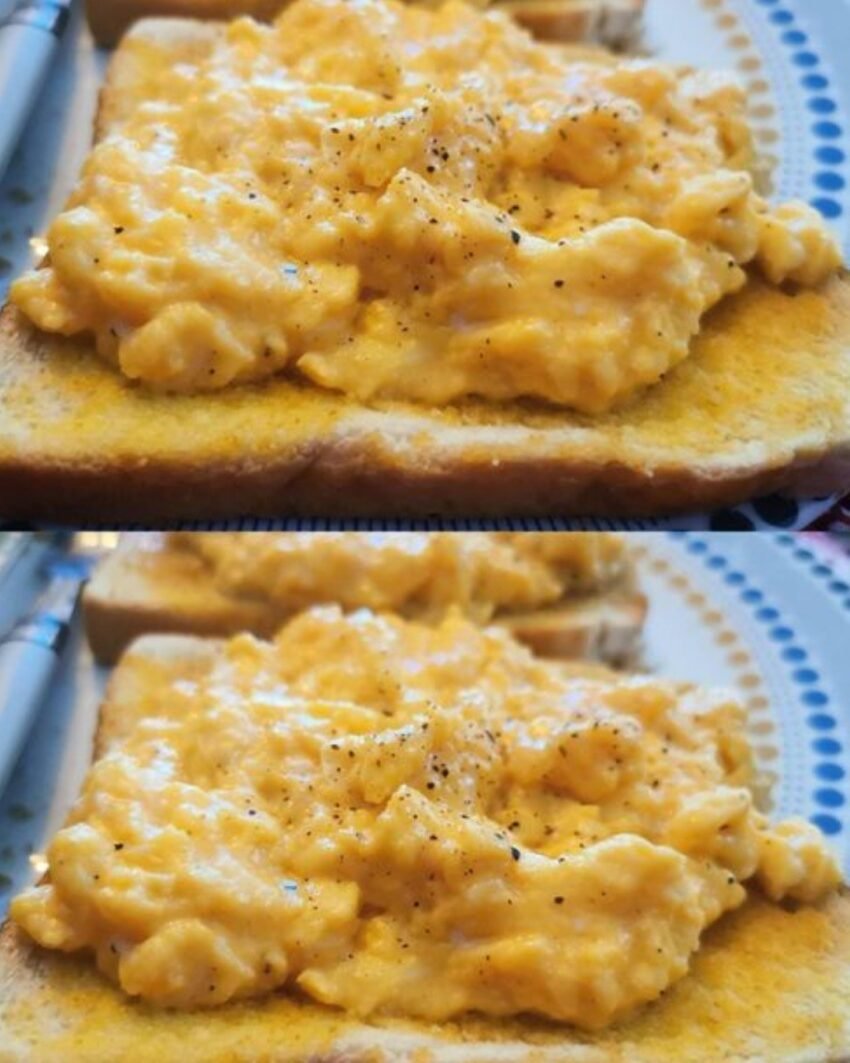
Cooking perfect scrambled eggs is a simple art that rewards patience and attention to detail. The goal is custardy, soft, and creamy curds, not dry, rubbery pieces.
Here’s a foolproof method, with explanations for why each step matters, followed by key variations.
The Classic Creamy Scrambled Eggs (French-Style)
Ingredients (for 2 servings):
-
4 large eggs (fresh is best)
-
1 tablespoon (15g) unsalted butter (divided) or 2 tablespoons heavy cream/crème fraîche
-
Salt and freshly ground black pepper
-
Optional: 1 teaspoon of fresh chives, chopped
Equipment:
-
A non-stick skillet or a well-seasoned carbon steel/cast iron skillet
-
A wooden spoon or flexible silicone spatula
-
A medium bowl
-
A whisk or fork
Step-by-Step Method:
1. Prep the Eggs (The Key to Consistency)
-
Crack the eggs into a medium bowl. Add a generous pinch of salt now. (Contrary to old myths, salting early helps break down proteins for a more tender result and seasons them evenly.)
-
Whisk vigorously for a full 30-45 seconds, until the yolks and whites are completely homogenous and you see a slight froth. This is crucial for a uniform, creamy texture.
2. Preheat the Pan (Control is Everything)
-
Place your skillet over medium-low heat. Let it get warm, not searing hot. You should be able to hold your hand a few inches away for a few seconds.
-
Add half the butter (½ tbsp). Let it melt and foam slightly, but not brown.
3. Cook Slowly and Stir Constantly
-
Pour in the eggs. They should sizzle gently, not violently.
-
Let them sit for just 5-10 seconds until a thin layer sets on the bottom.
-
Now, begin to stir slowly and constantly with your spatula. Use a folding motion, pushing the set curds from the edges into the center. The goal is to create ever-smaller, soft curds.
4. The Custardy Finish
-
When the eggs are about 70% cooked (still very wet and shiny, but with small curds), add the remaining ½ tbsp of butter (or your cream/crème fraîche). Remove the pan from the heat.
-
Continue stirring vigorously. The residual heat in the pan will finish cooking the eggs to a perfect, custardy consistency. This “carryover cooking” is the secret to avoiding dryness.
5. Serve Immediately
-
Transfer to warm plates the moment they reach your desired doneness (they will continue to cook slightly on the plate). Grind fresh pepper over the top and garnish with chives.
Pro-Tips & Common Mistakes to Avoid
-
Mistake 1: High Heat. This is the #1 error. High heat makes eggs tough and watery (as proteins tighten violently and squeeze out moisture). Low and slow wins the race.
-
Mistake 2: Overcooking. Eggs continue to cook after leaving the pan. Stop just before they look done.
-
Mistake 3: Underseasoning. Salt is essential. Don’t be shy. Consider a final flaky salt on top for texture.
-
Pro-Tip: The Gordon Ramsay Method: For ultra-creamy eggs, cook them in a saucepan over medium-low heat, adding cold butter cubes little by little while stirring constantly until creamy and barely set.
-
Pro-Tip: The Diner-Style Scrambled Eggs: If you prefer larger, firmer curds, use medium heat, let the eggs set more between stirs, and don’t add extra cold fat at the end.
-
Add-Ins: If adding cheese, vegetables (like sautéed onions or peppers), or cooked meat, prepare them first and have them warm. Fold them in just before the eggs are finished.
Quick Reference Chart: Texture Guide
| Method | Heat | Stirring | Fat Added | Final Texture |
|---|---|---|---|---|
| French (Creamy) | Low | Constant, folding | Butter/Cream at end | Soft, custardy, small curds |
| American (Diner) | Medium | Occasional, pushing | Butter at start | Fluffy, larger, defined curds |
| English | Medium-Low | Constant, stirring | Butter throughout | Fine, soft curds, slightly creamy |
Remember: Perfect scrambled eggs are a matter of personal taste. Use this method as a foundation, then adjust the heat and timing to get your ideal consistency. Happy cooking